回到身体
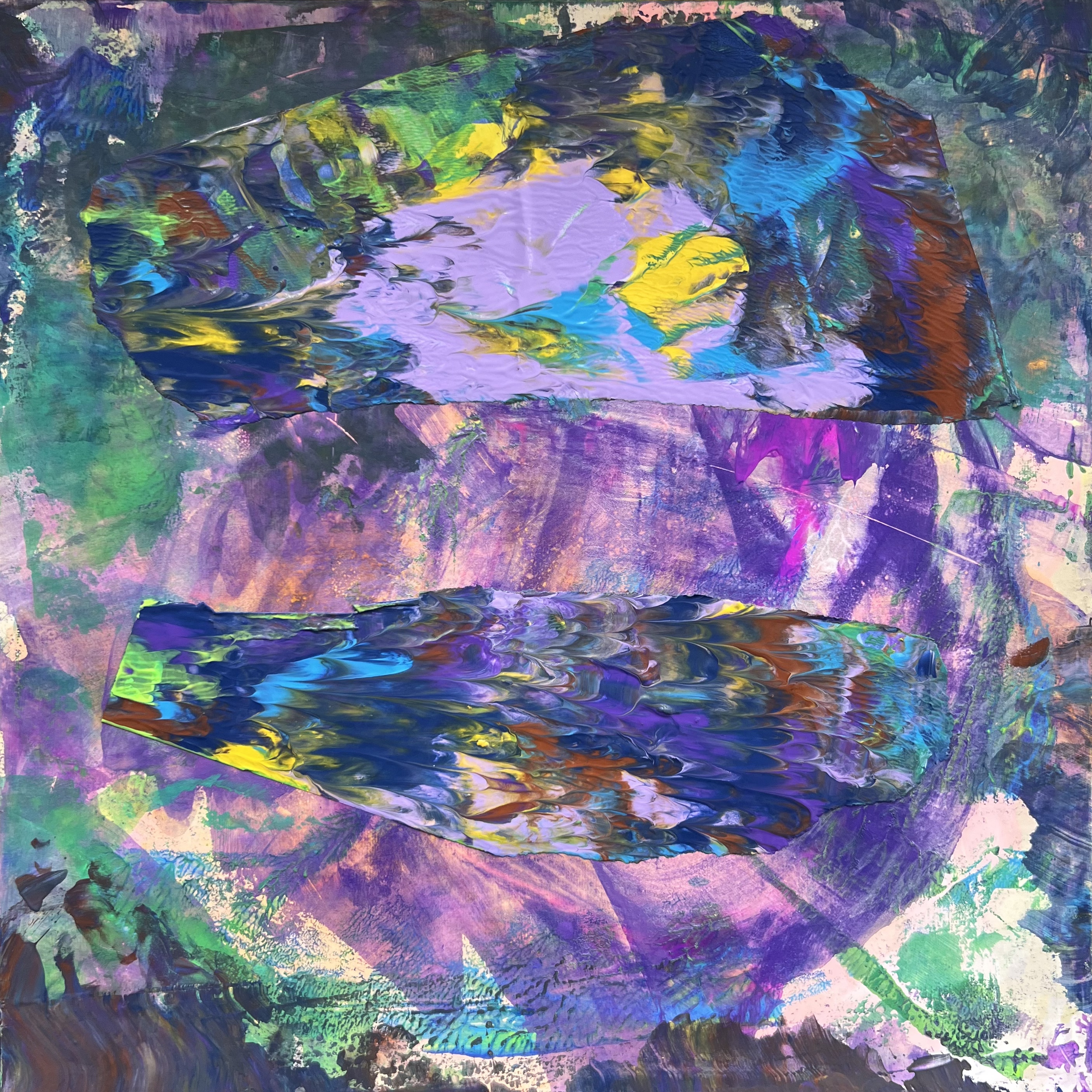
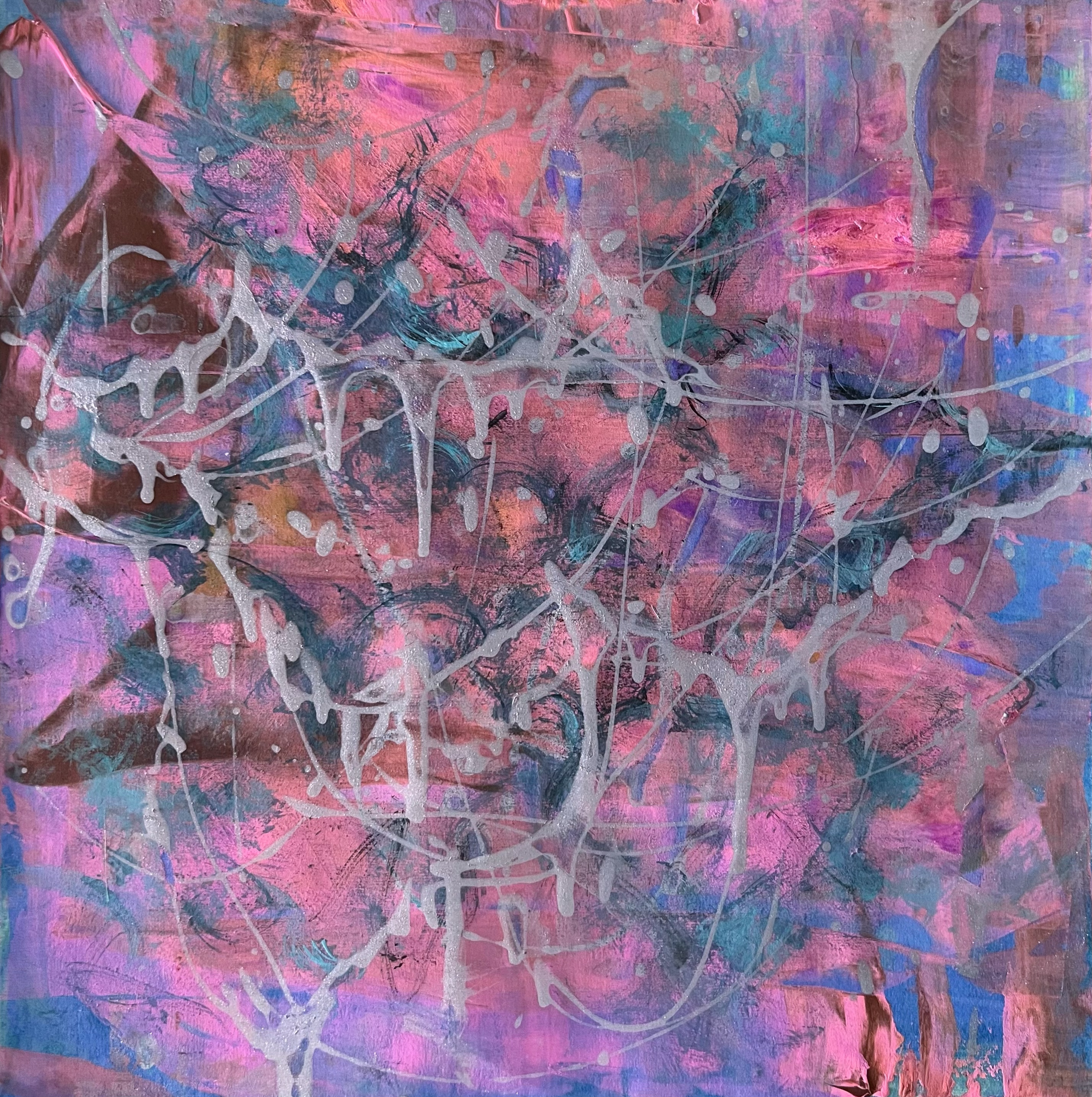
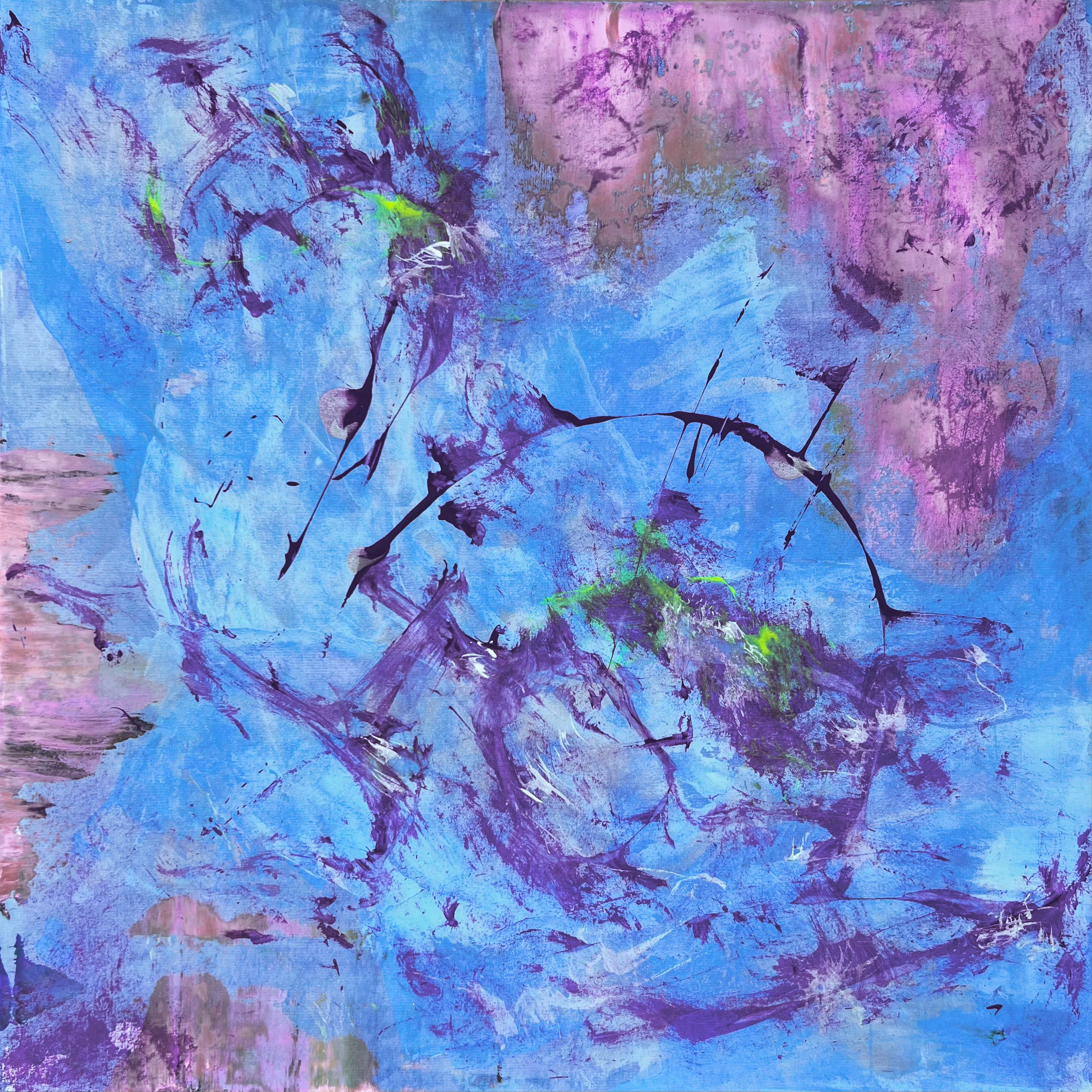
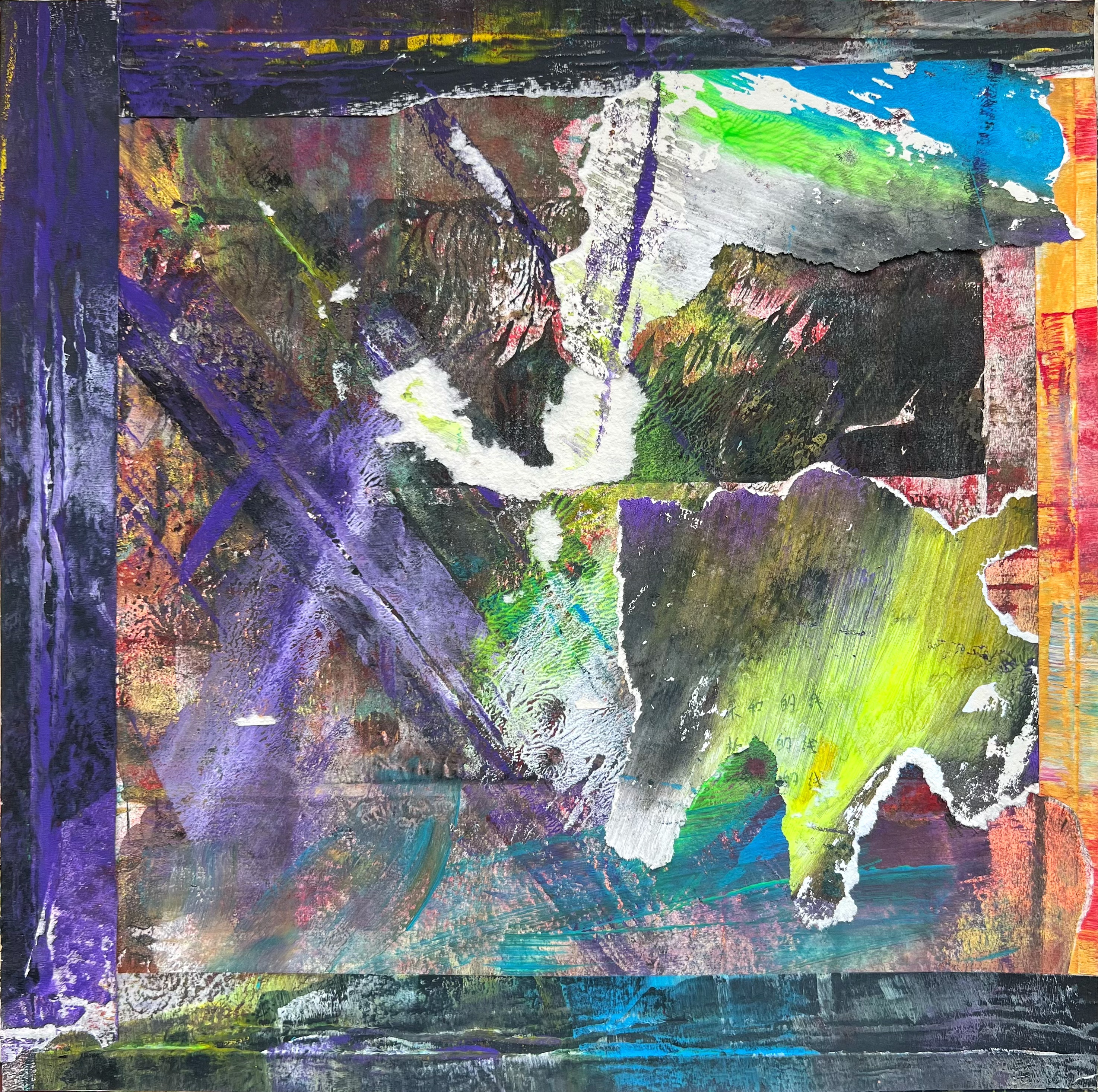
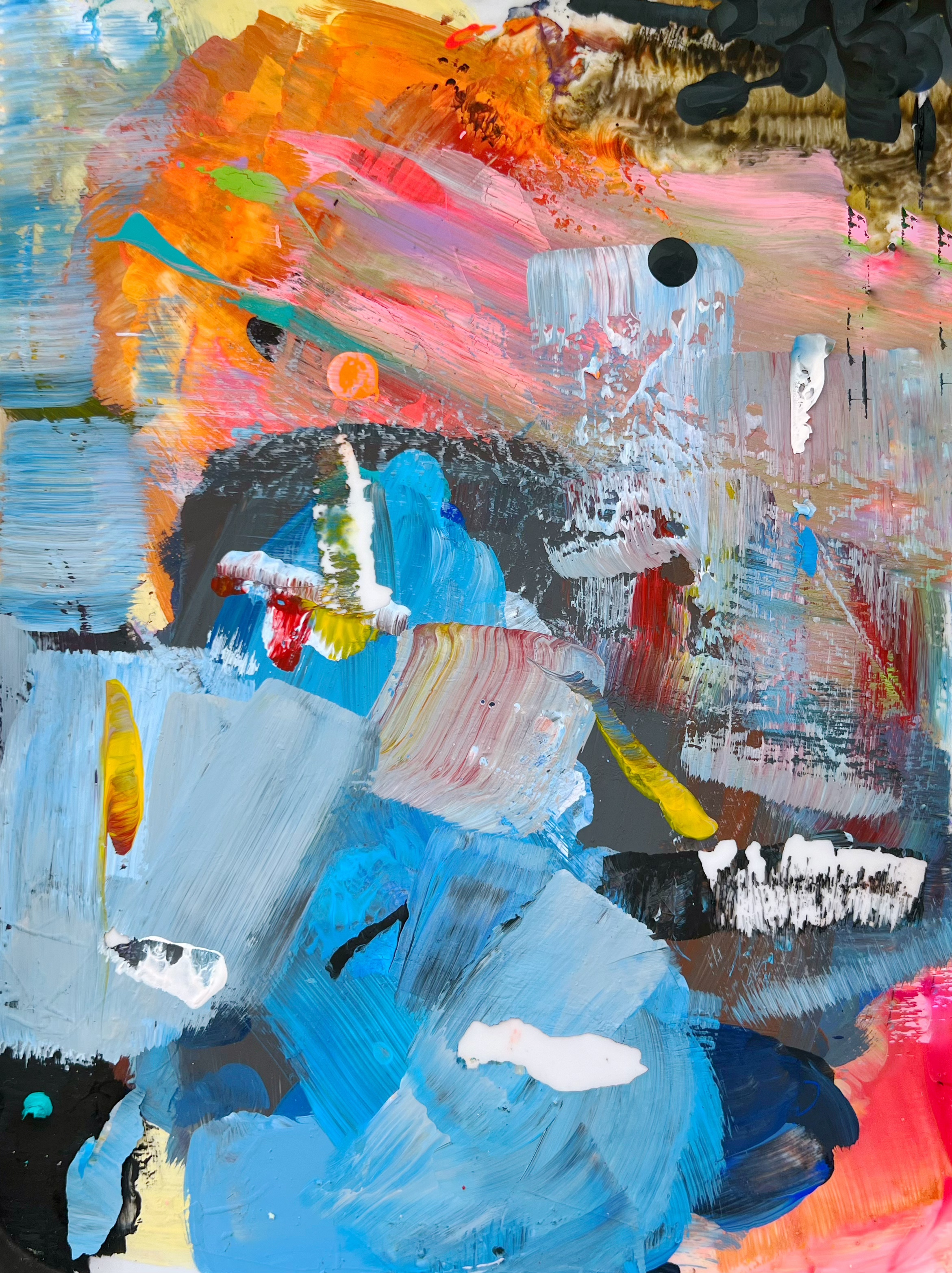
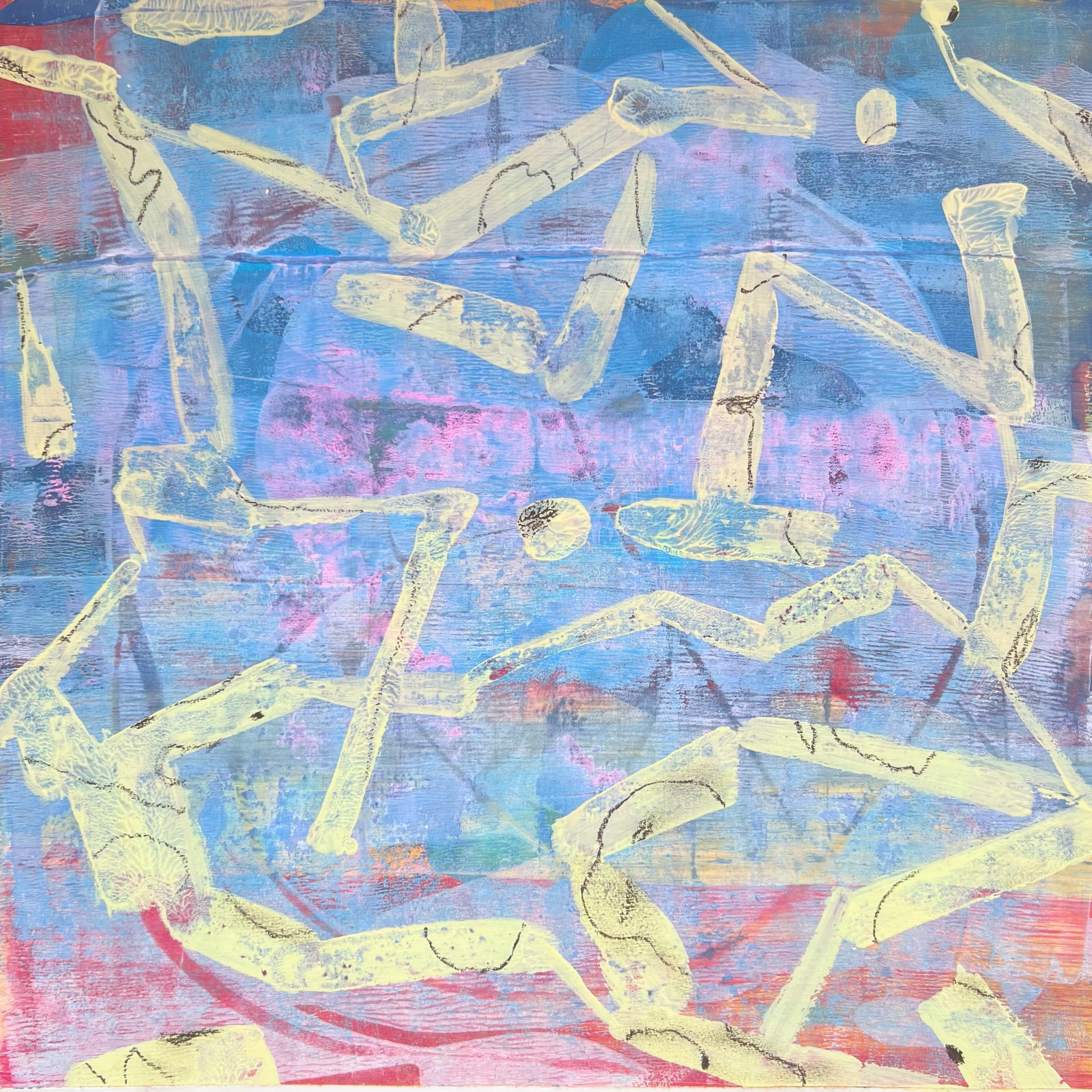
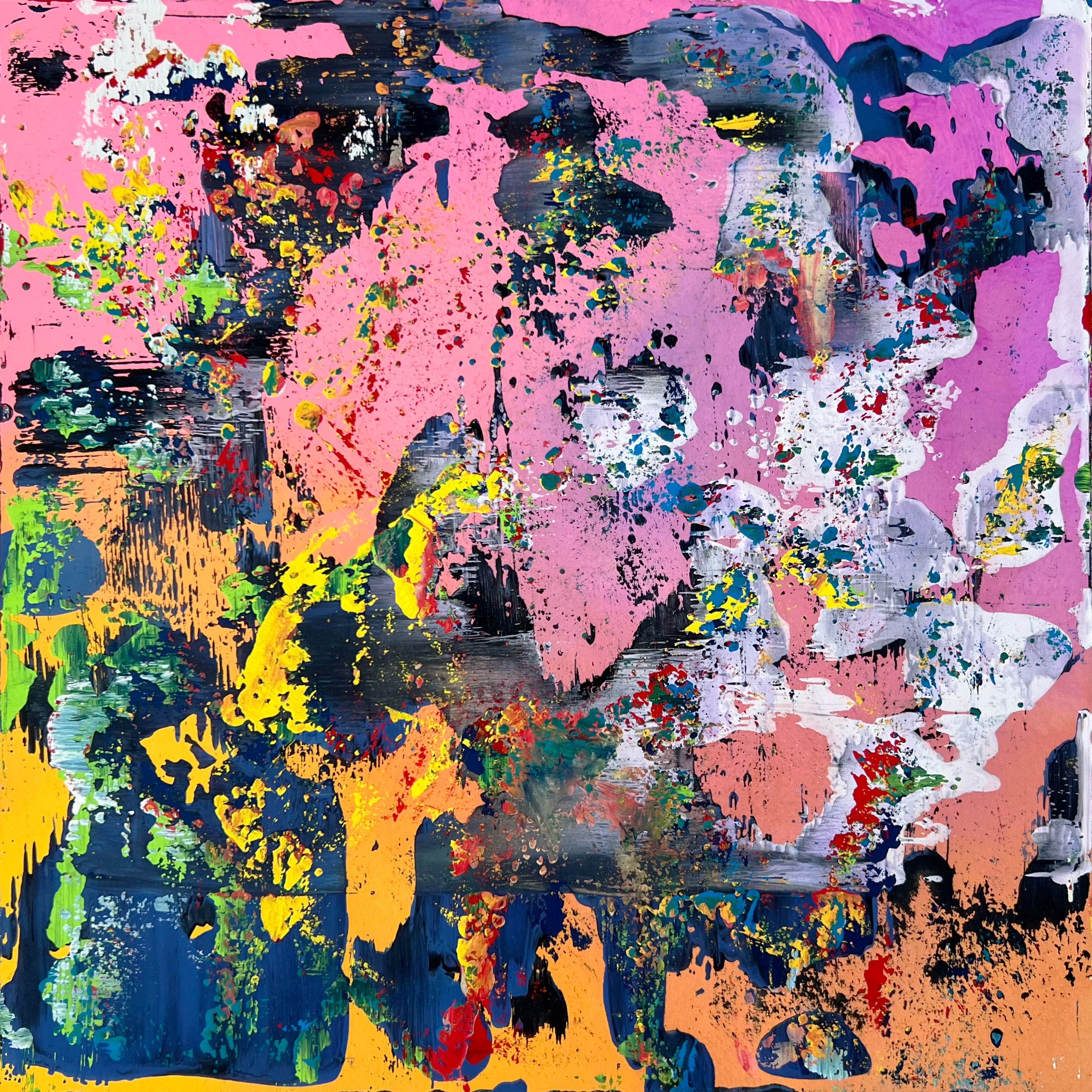
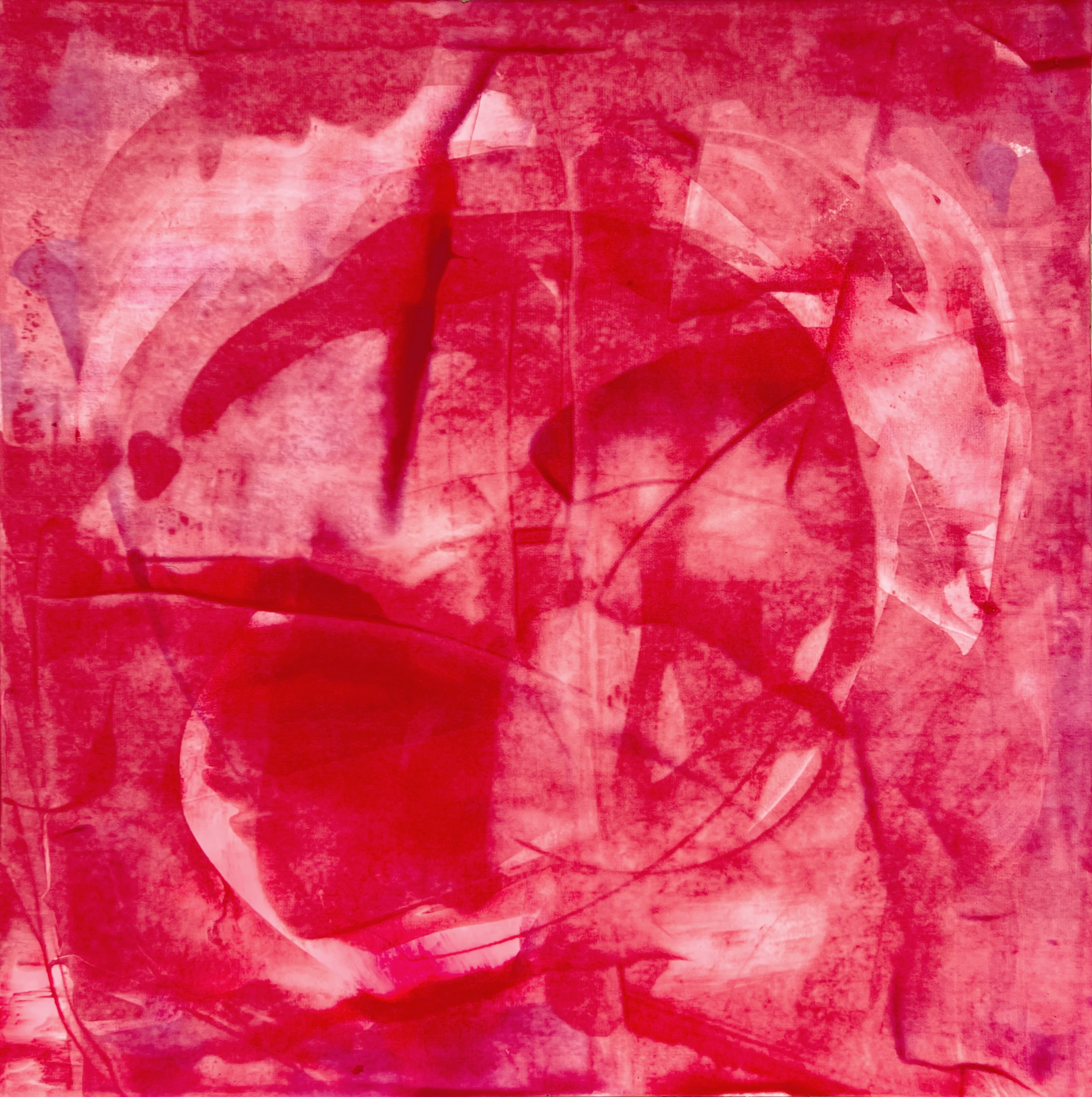
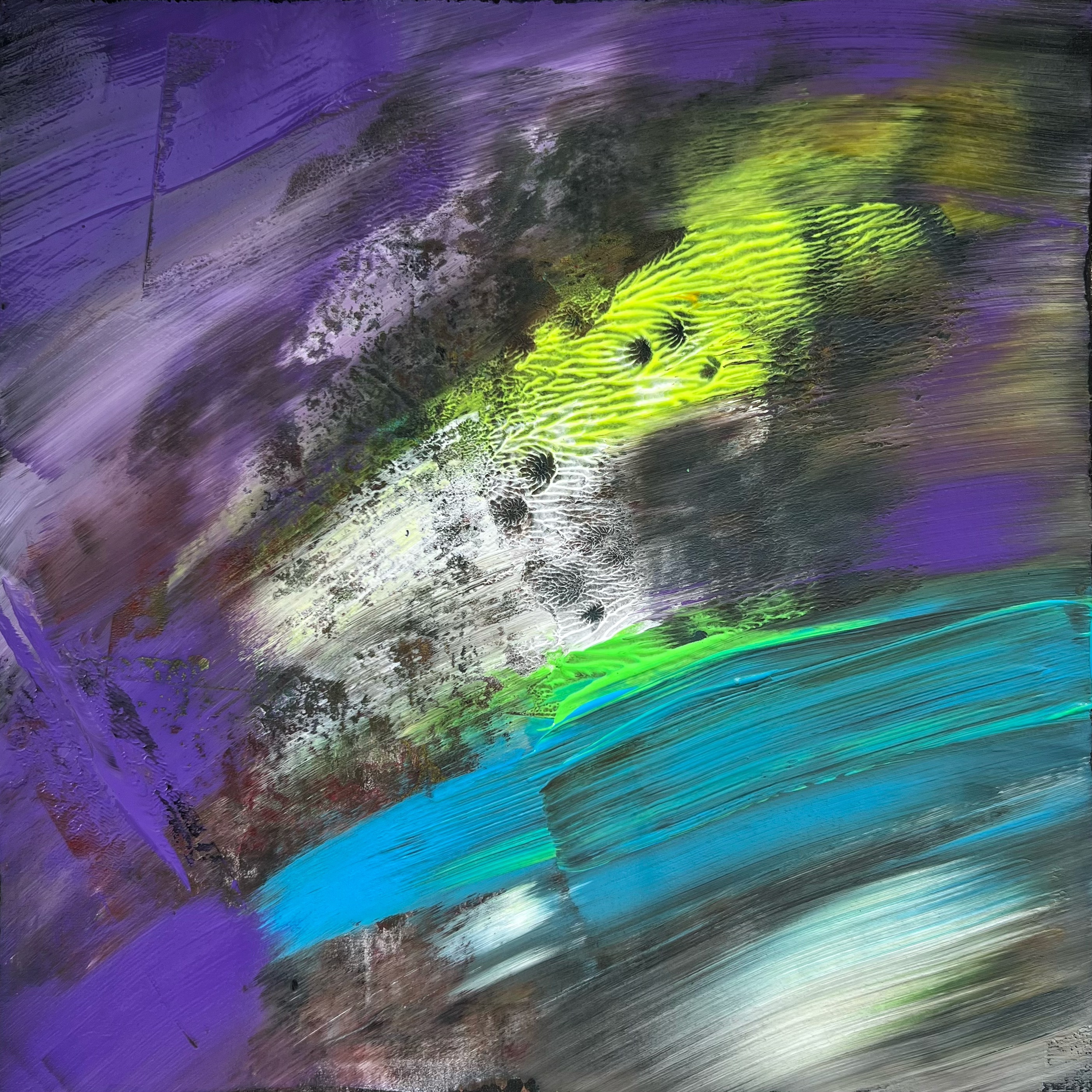
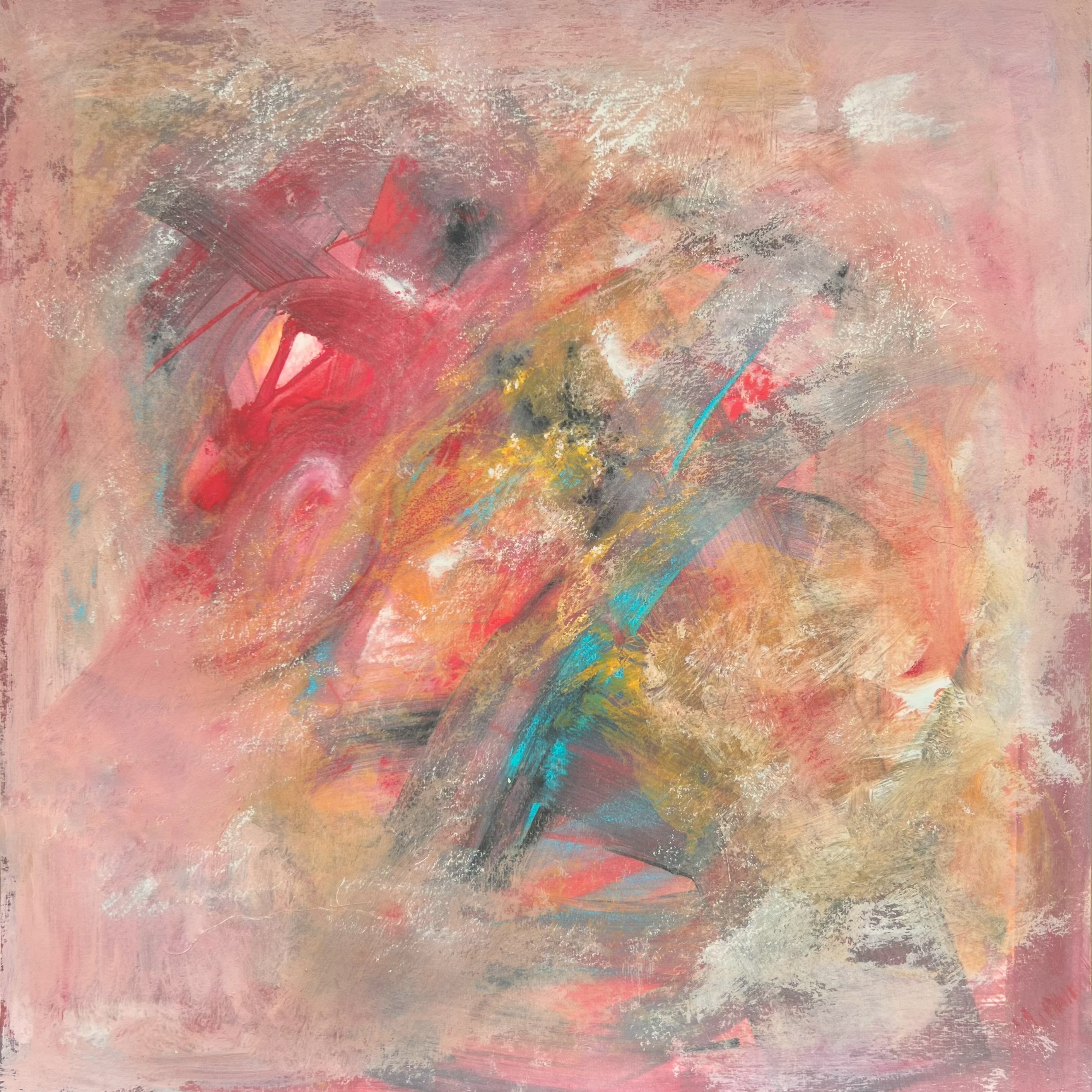
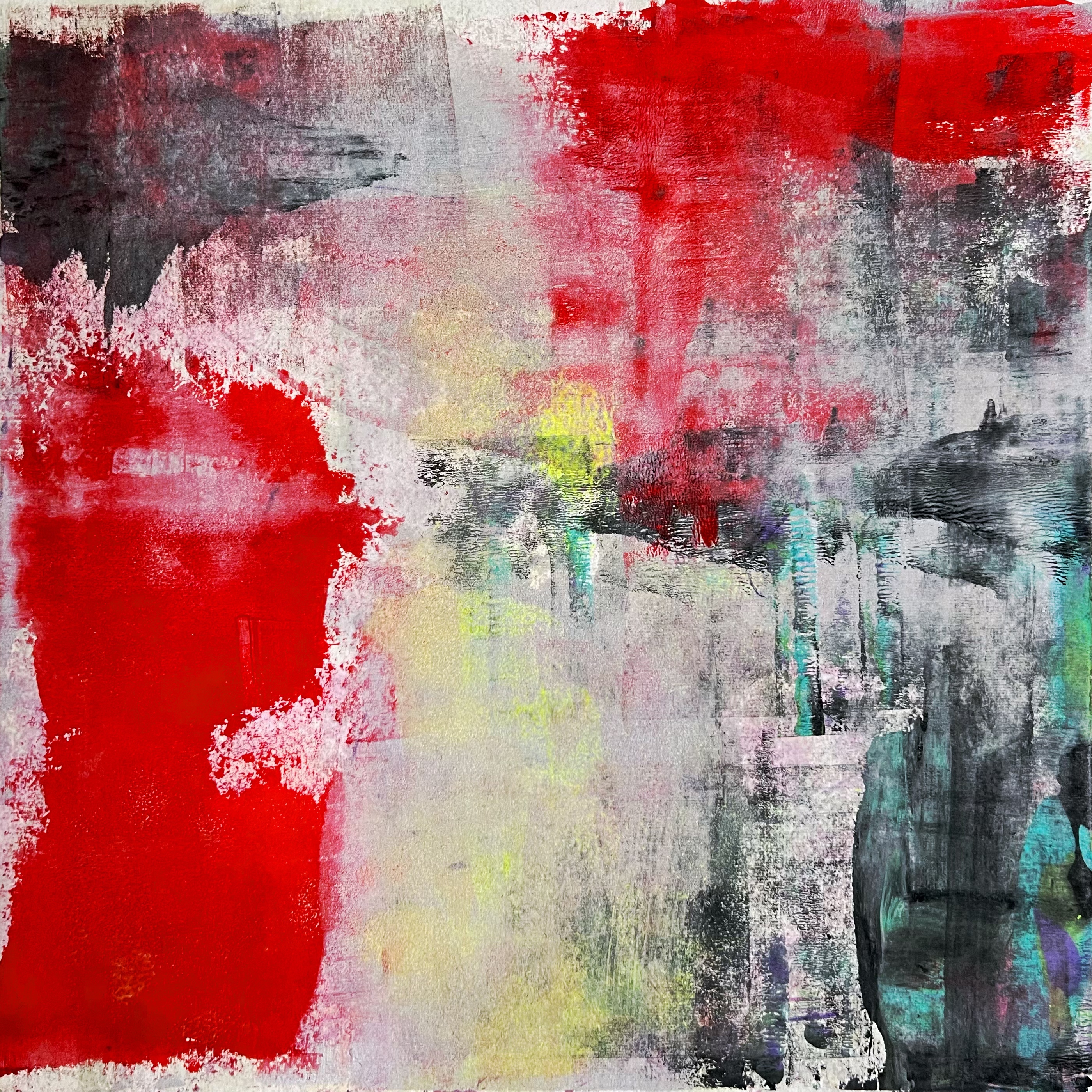
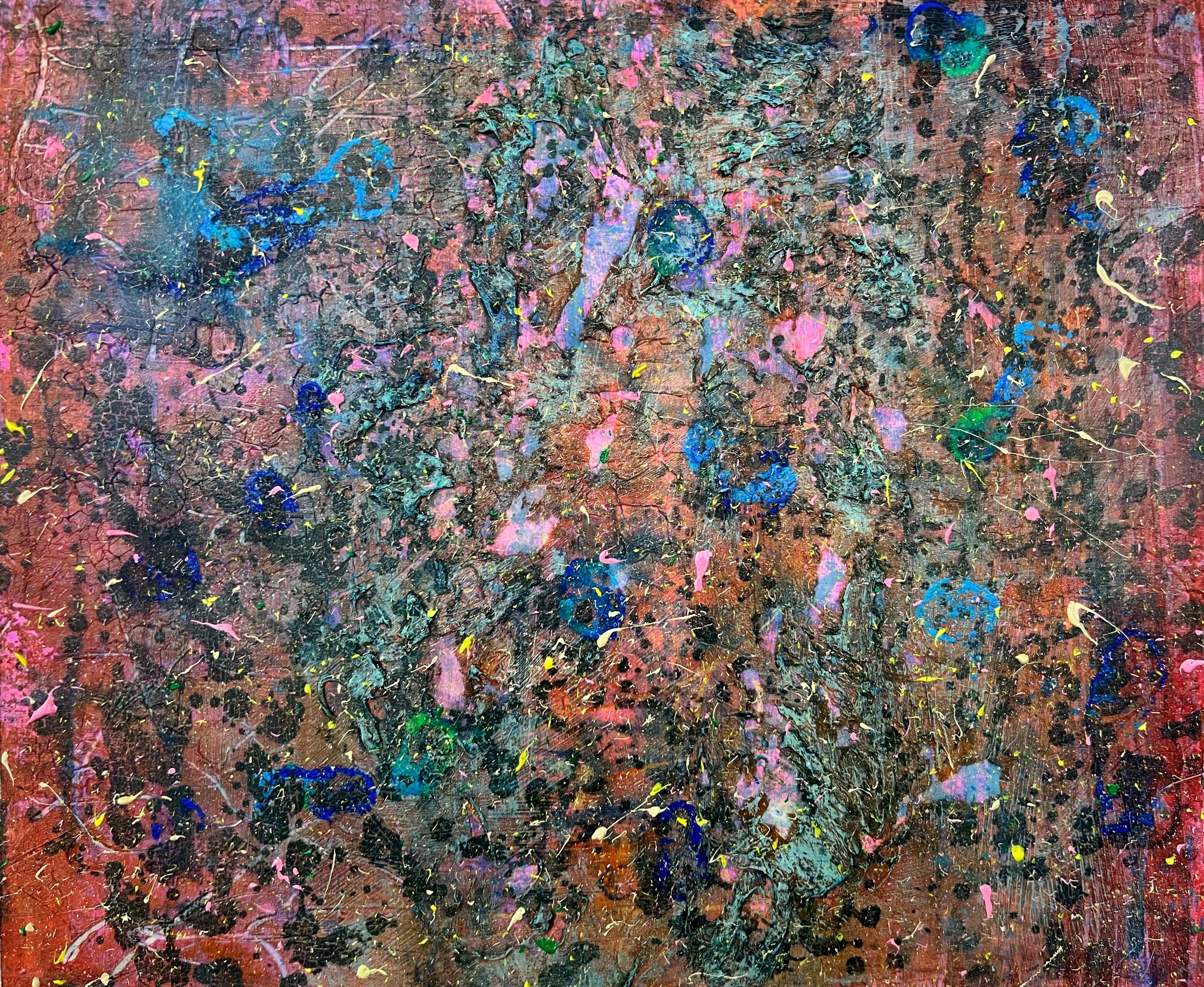
转向绘画,源自一种混沌的创造冲动,也源自对过度观念编织的厌倦。在我所接受的媒体艺术与后观念艺术训练中,意义常常先于经验,作品成为既定命题的执行;数字媒介则倾向于把行动转化为确定的数值与结果。绘画提供了另一种关系:直接、可触摸的物质并不完全服从意图,而会以流淌、堆积、覆盖、断裂和失控作出回应。
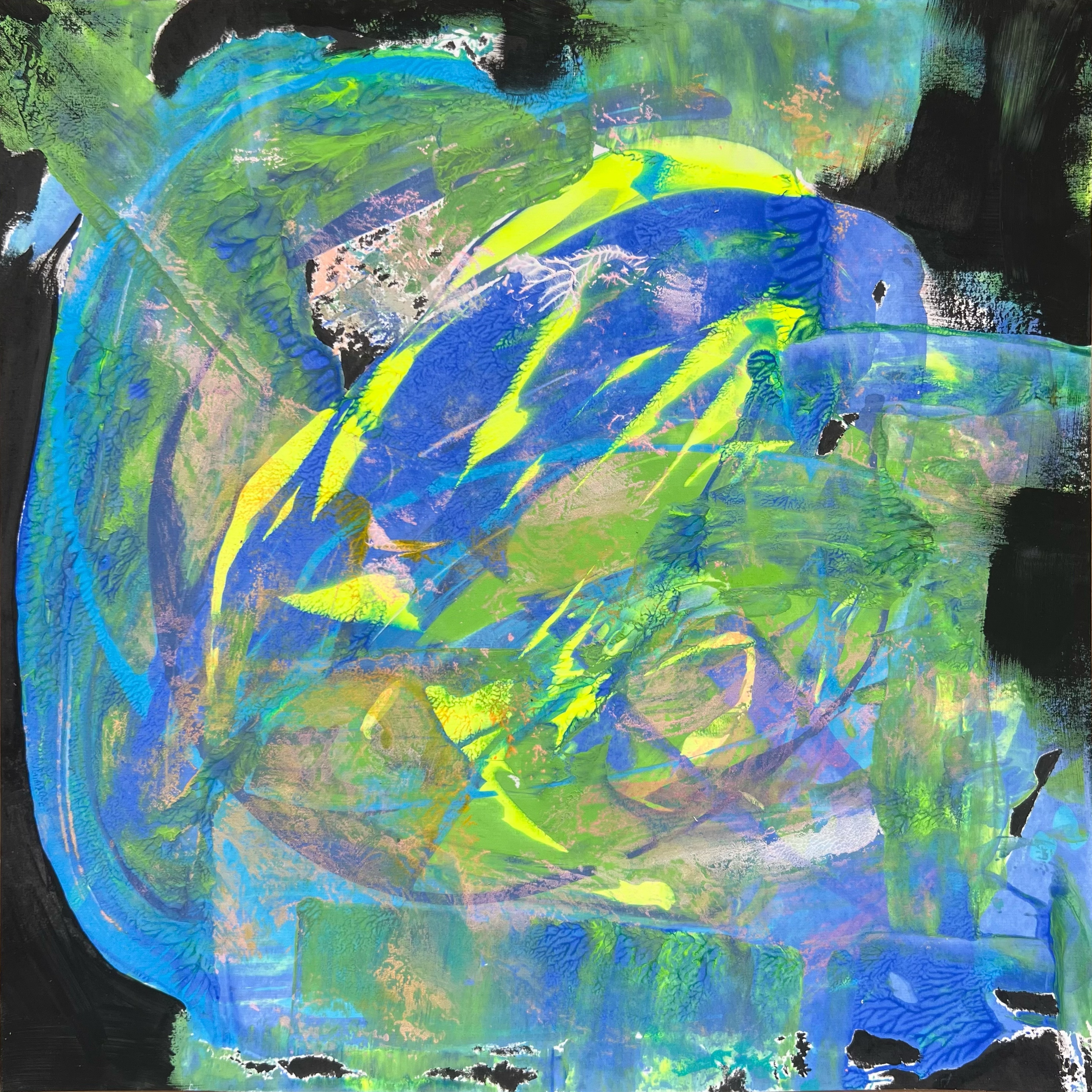
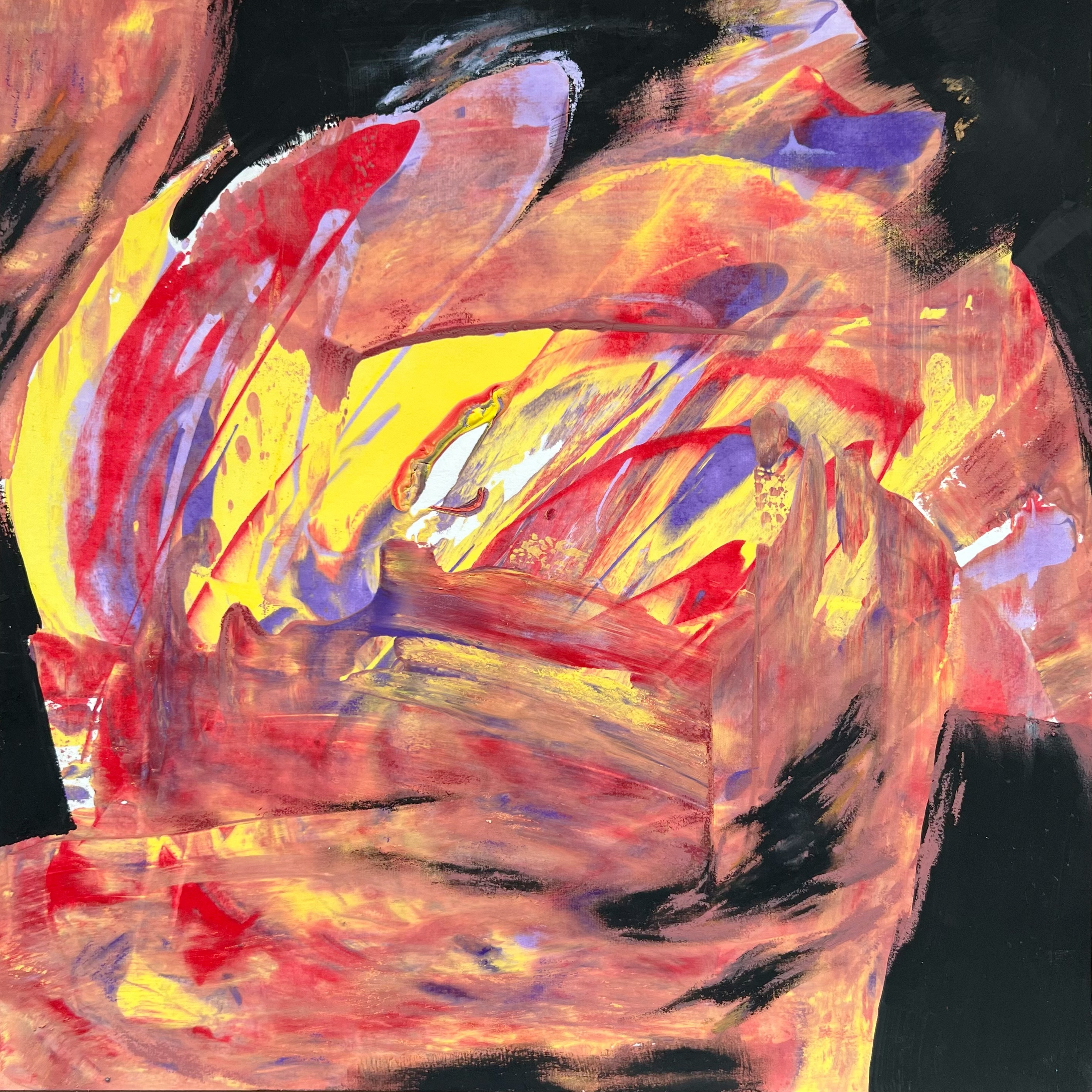
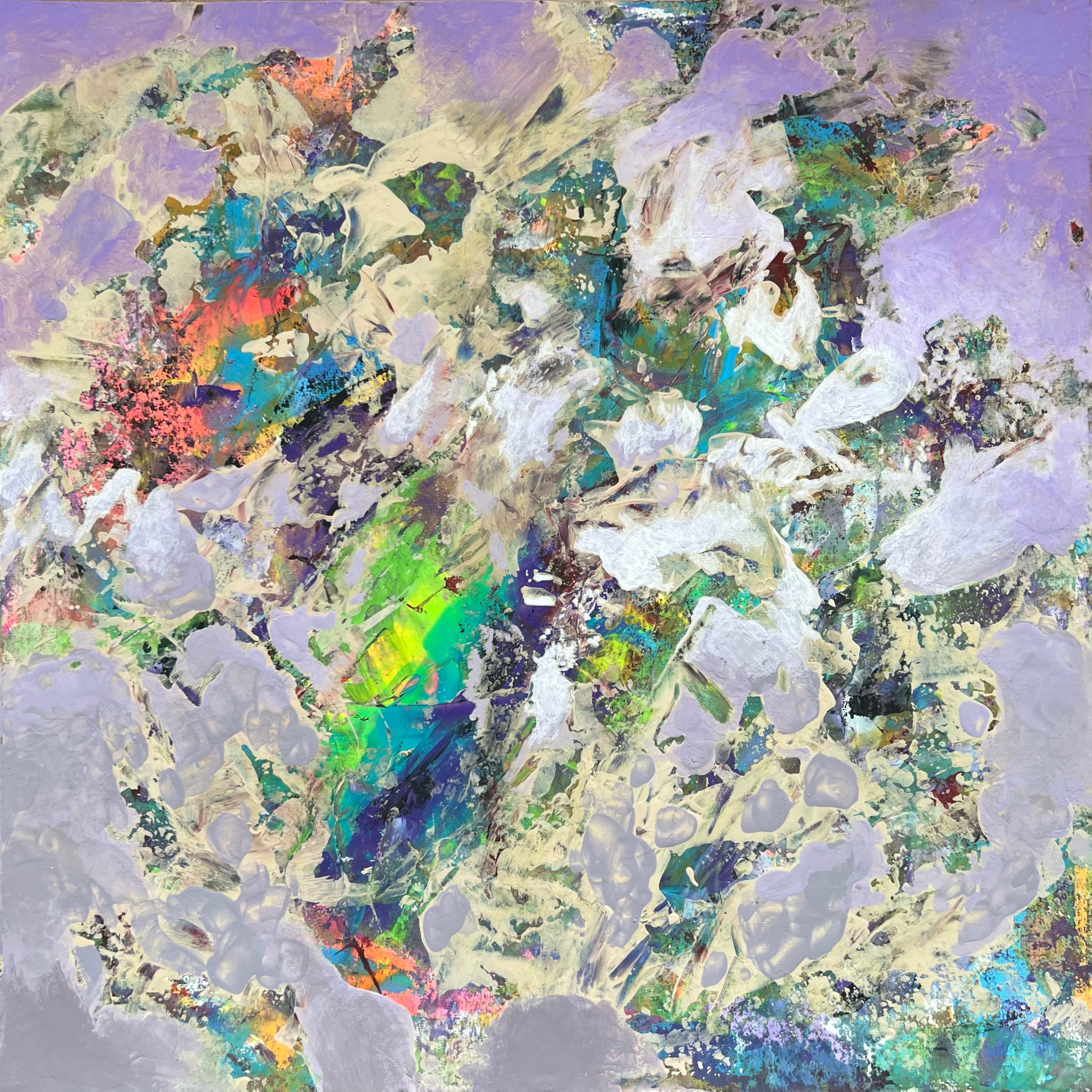
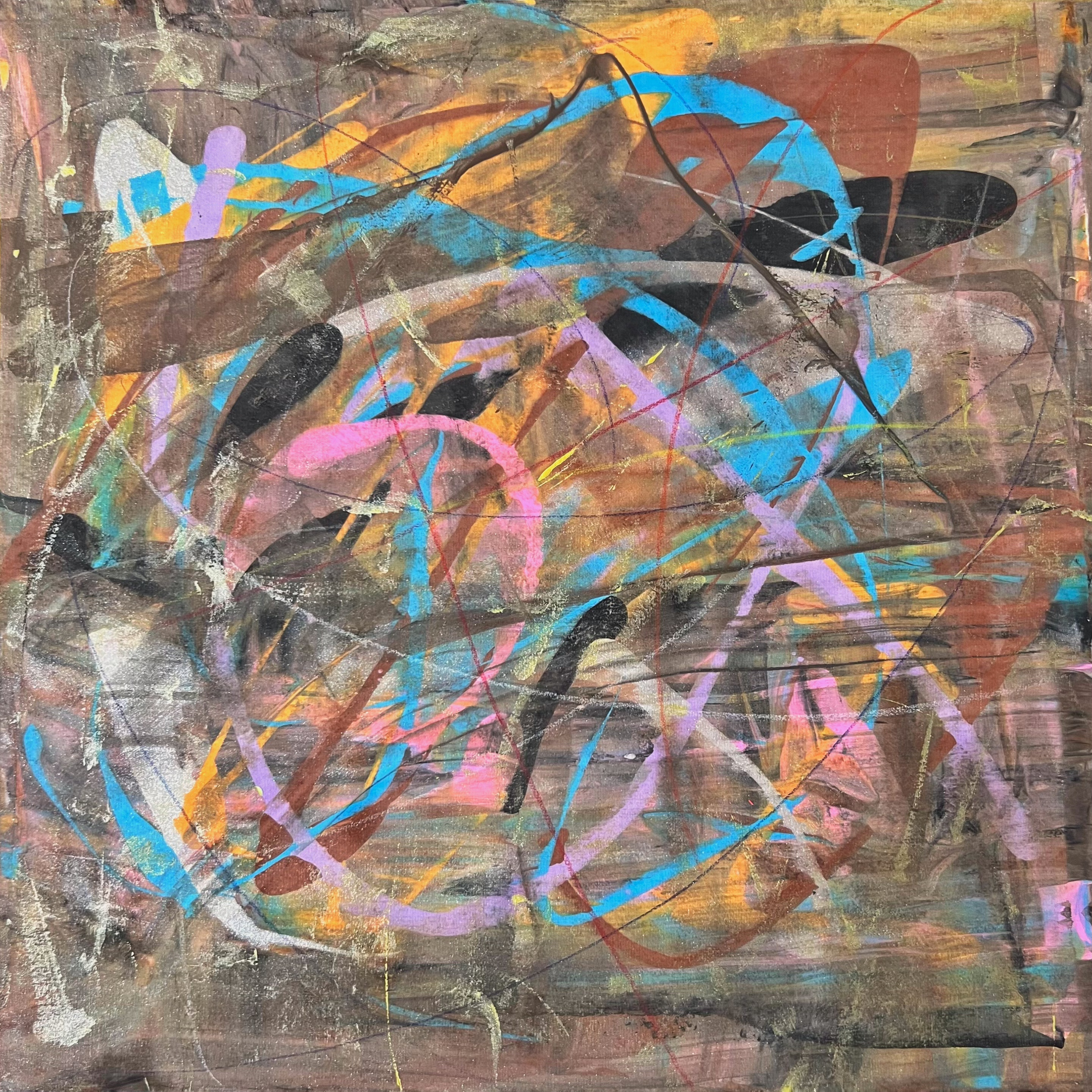
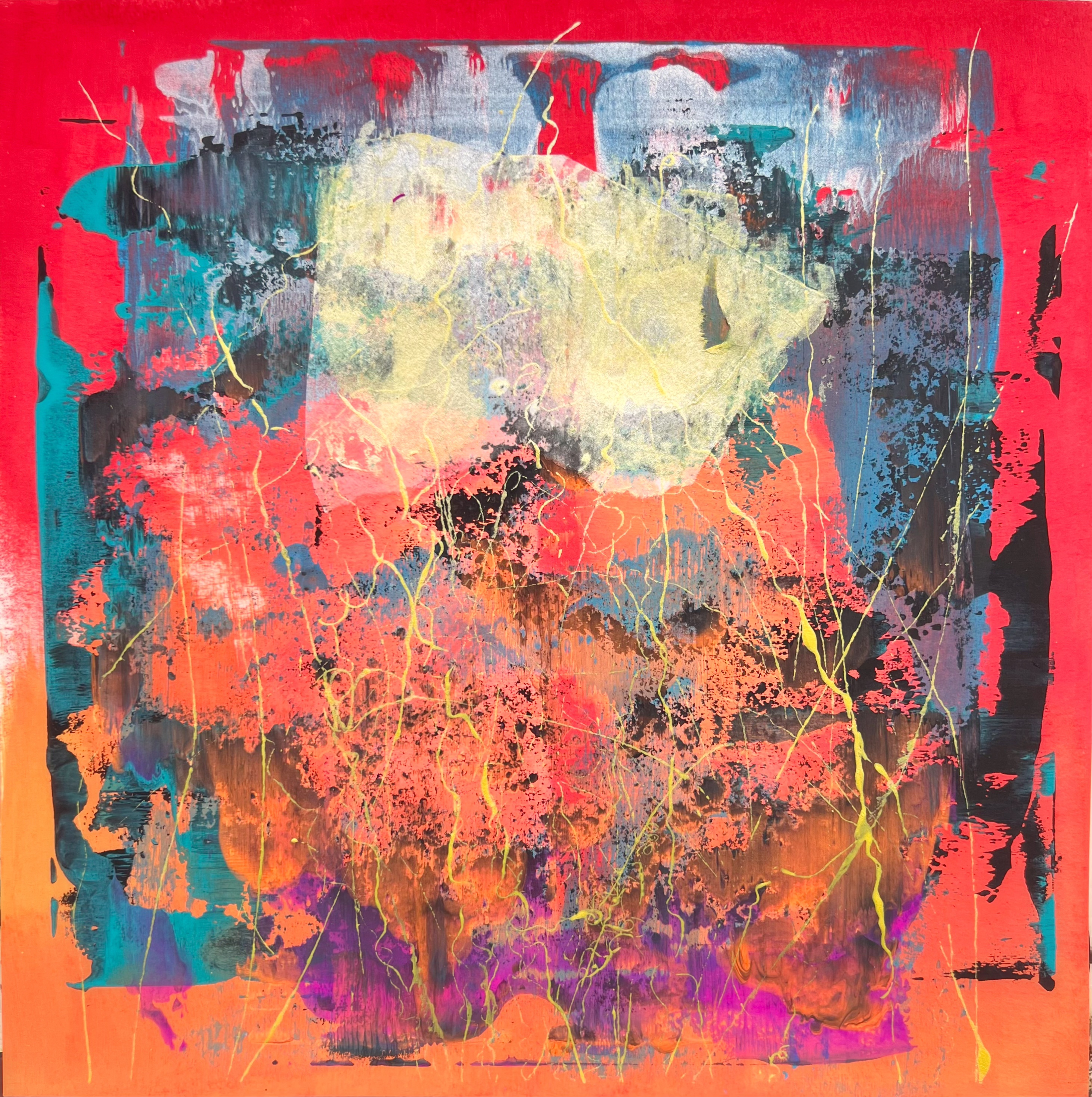
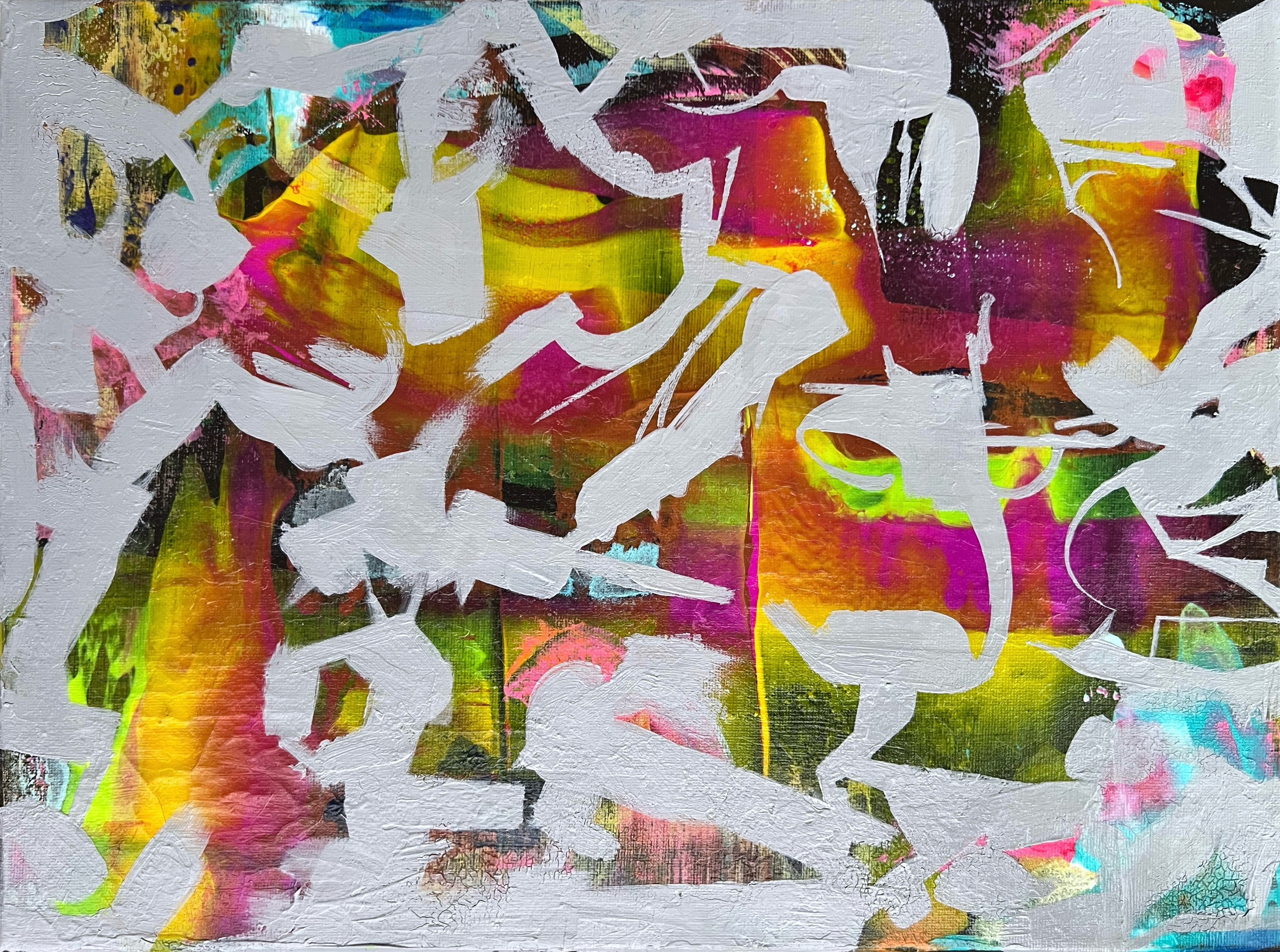
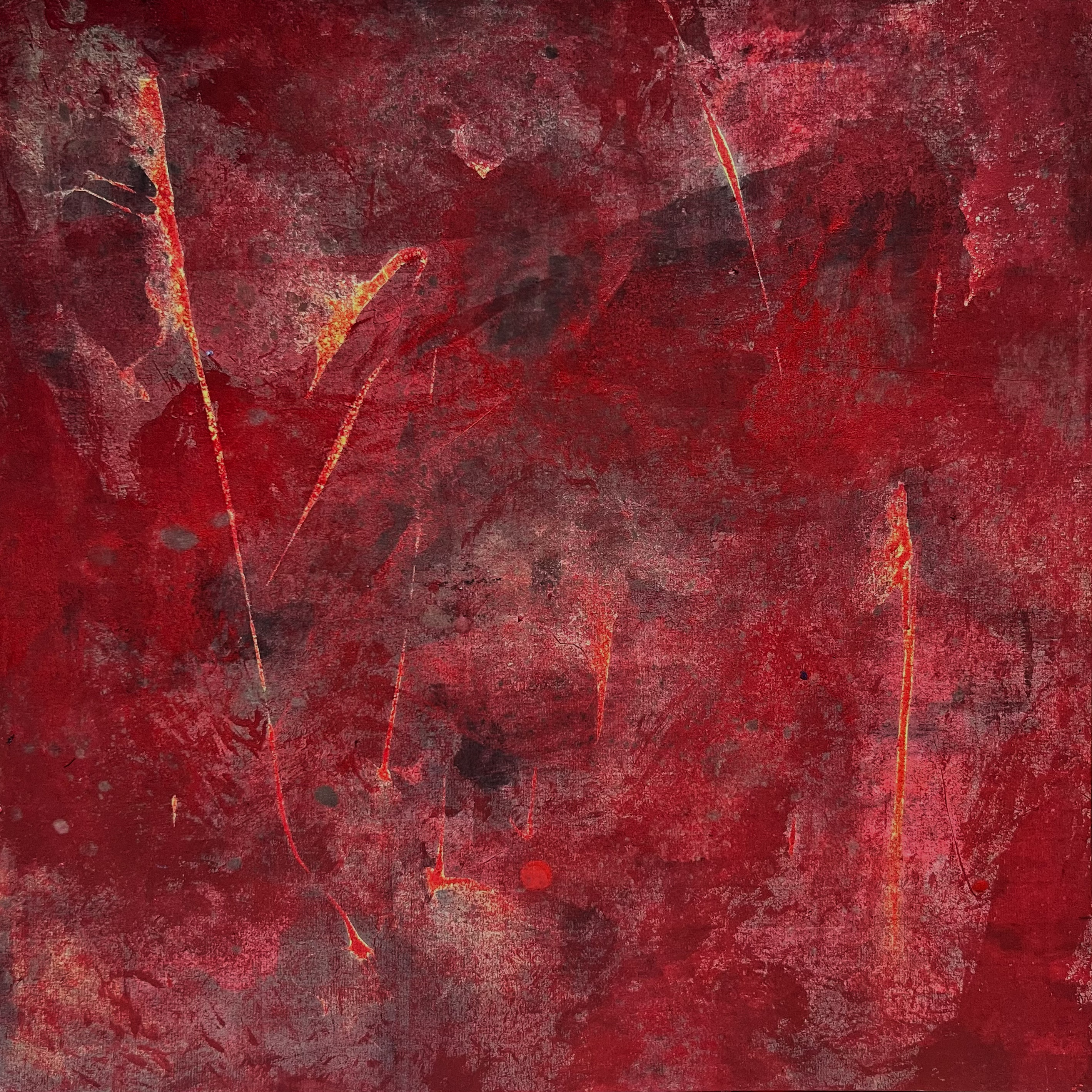
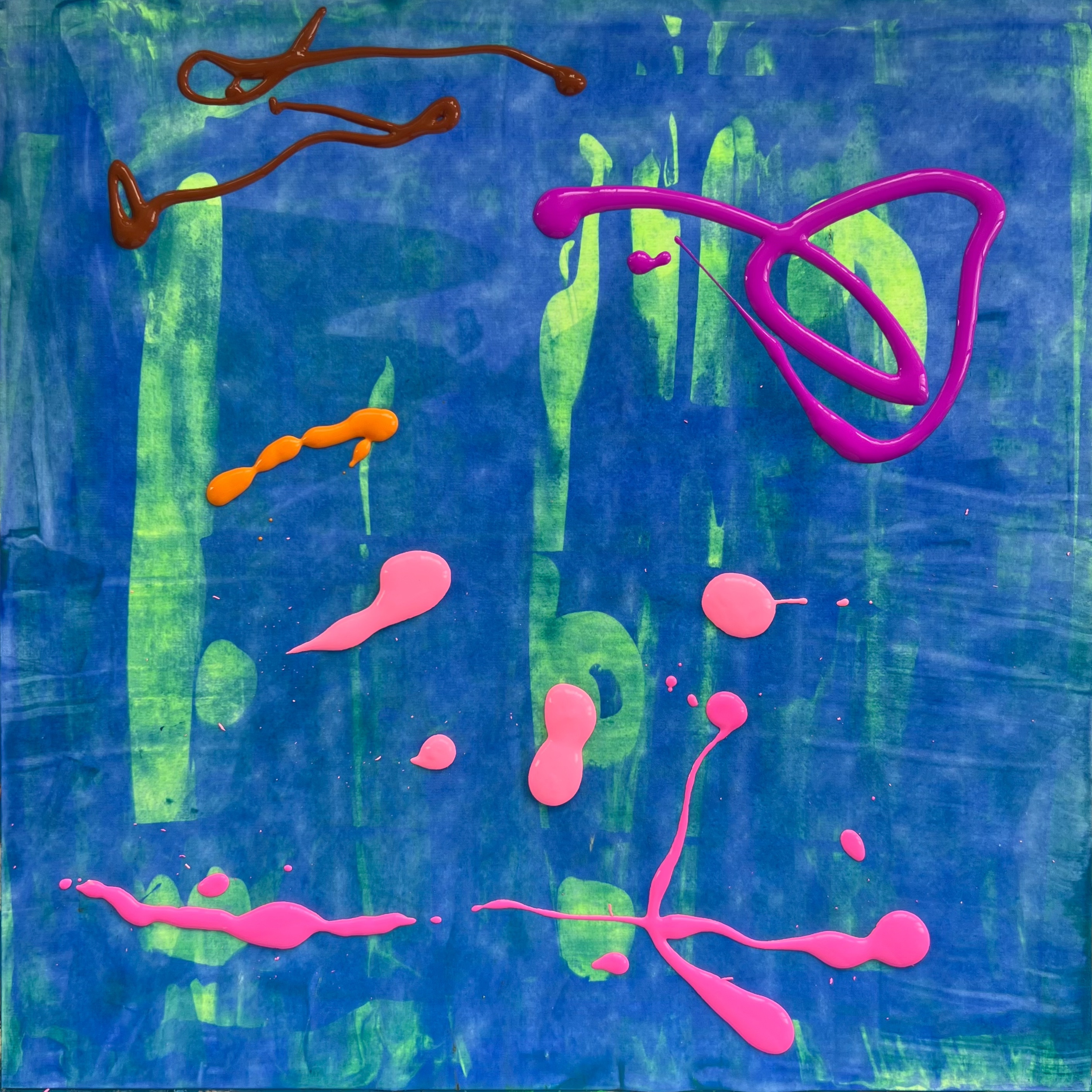
一幅画通常从直觉性的颜色选择和身体动作开始,不预设图像,也不依照传统构图组织画面。材料开始运动,偶然随之出现;观看、判断、保留、覆盖或加入,再推动下一轮变化。每次介入都使画面重新成为一个尚未完成的图像。在这一过程中,我并非全知的作者或唯一的创造者,而是系统的设计者,也是第一个观众和编辑者:在材料生成的可能性中决定什么留下,什么退隐,什么需要继续发生。这种判断往往先于语言。无法通过概念证明某个部分为何成立,只能感到它是对的,应当被留下。实践由此从意义生产转向感知判断——在控制与随机、身体行动与物质抵抗之间,让意义从经验内部逐渐涌现。
我原以为重新追寻的是被观念压抑已久的“美”,后来才意识到,更接近的是 aesthetics 所源出的希腊词 aisthesis:感知本身。它与梅洛-庞蒂所强调的肉身经验相连,也指向一种“回到身体”的路径。画面中反复出现的混沌、增压与未定形力量,也逐渐显露为心理能量和生命状态的投射。
“回到身体”并非怀旧式的反技术立场。从宇宙尺度看,生命与意识本就是漫长物质演化中无数偶然叠加的结果;混沌和随机并非秩序的缺陷,而是生命得以出现的条件。身体也不是等待被技术超越的旧容器,而是深度演化时间留给我们的感知机制:情绪、欲望、痛感、依恋、审美与意义,都必须经由它发生。
因此,在既有秩序不断松动、技术加速将世界推向未知临界点的时刻,绘画中的物质抵抗、偶然生成与身体判断,构成了一种重新确认生命价值的实践。它不拒绝理性或技术,而拒绝将有限、脆弱和不可预测视为必须被优化掉的缺陷。这一实践最终将通向何处仍未确定;目前更根本的驱动力,是在深刻的不确定性中,寻找一种由身体承载、能够与混沌共处的生命力。
Returning to the Body
My turn towards painting arose from a chaotic urge to create, but also from a growing fatigue with the overproduction of concepts. Within the media-art and post-conceptual training I received, meaning often preceded experience, and the work became the execution of an already established proposition. Digital media, meanwhile, tends to translate action into determinate values and predictable outcomes. Painting offers a different relationship. Its immediate, tactile materials do not simply submit to intention: they flow, accumulate, fracture, conceal and slip out of control.
A painting usually begins with intuitive choices of colour and bodily gesture, without a predetermined image or a conventional composition. Material is set in motion and accident enters the process. I look, judge, preserve, cover or add, and these decisions initiate the next stage of movement. Each intervention produces another image still in the process of becoming. I am therefore neither an omniscient author nor the work’s sole creator, but the designer of a system, its first viewer and its editor—deciding, among the possibilities generated by the material, what may remain, what should recede and what must continue to unfold.
Such judgements often precede language. I cannot prove through concepts why a particular passage succeeds; I can only sense that it is right and should be kept. The practice thus shifts from the production of meaning towards perceptual judgement. Meaning is allowed to emerge from experience itself, through the negotiation between control and chance, bodily action and material resistance.
I initially believed that I was returning to a pursuit of beauty long suppressed by the conceptual priorities of recent art. I gradually realised, however, that what I was seeking was closer to the older sense of aesthetics, derived from the Greek aisthesis: perception itself. This connects with Merleau-Ponty’s account of embodied experience and opens onto a broader return to the body. The turbulence, compression and unresolved forces that recur within the paintings have likewise begun to reveal themselves as manifestations of psychic energy and lived states.
This return to the body is not a nostalgic rejection of technology. On a cosmic scale, life and consciousness are themselves the improbable outcome of innumerable contingencies within a vast material history. Chaos and randomness are not failures of order, but conditions through which life became possible. Nor is the body an obsolete vessel waiting to be surpassed by technology. It is a perceptual and affective structure shaped over deep evolutionary time: emotion, desire, pain, attachment, aesthetic experience and the search for meaning all take place through it.
At a moment when established forms of order are loosening and technological acceleration is carrying the world towards an unknown threshold, the material resistance of painting, its openness to accident and its reliance on bodily judgement become ways of reaffirming the value of life. This practice rejects neither reason nor technology. It resists, instead, the assumption that finitude, vulnerability and unpredictability are defects to be optimised away.
Where this practice will ultimately lead remains unresolved. For now, its deeper impulse is to find, within profound uncertainty, a form of vitality grounded in the body and capable of living alongside chaos.