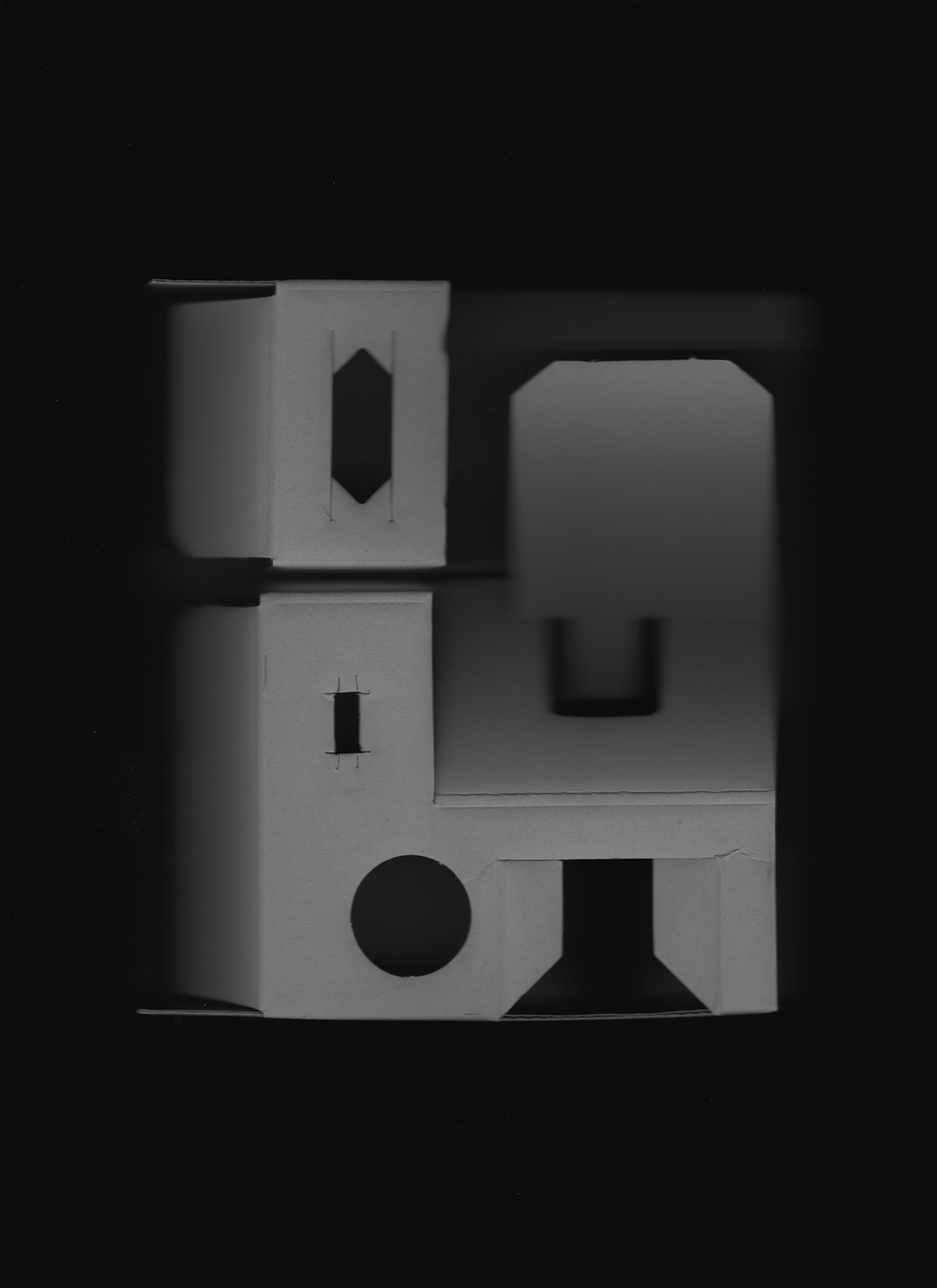
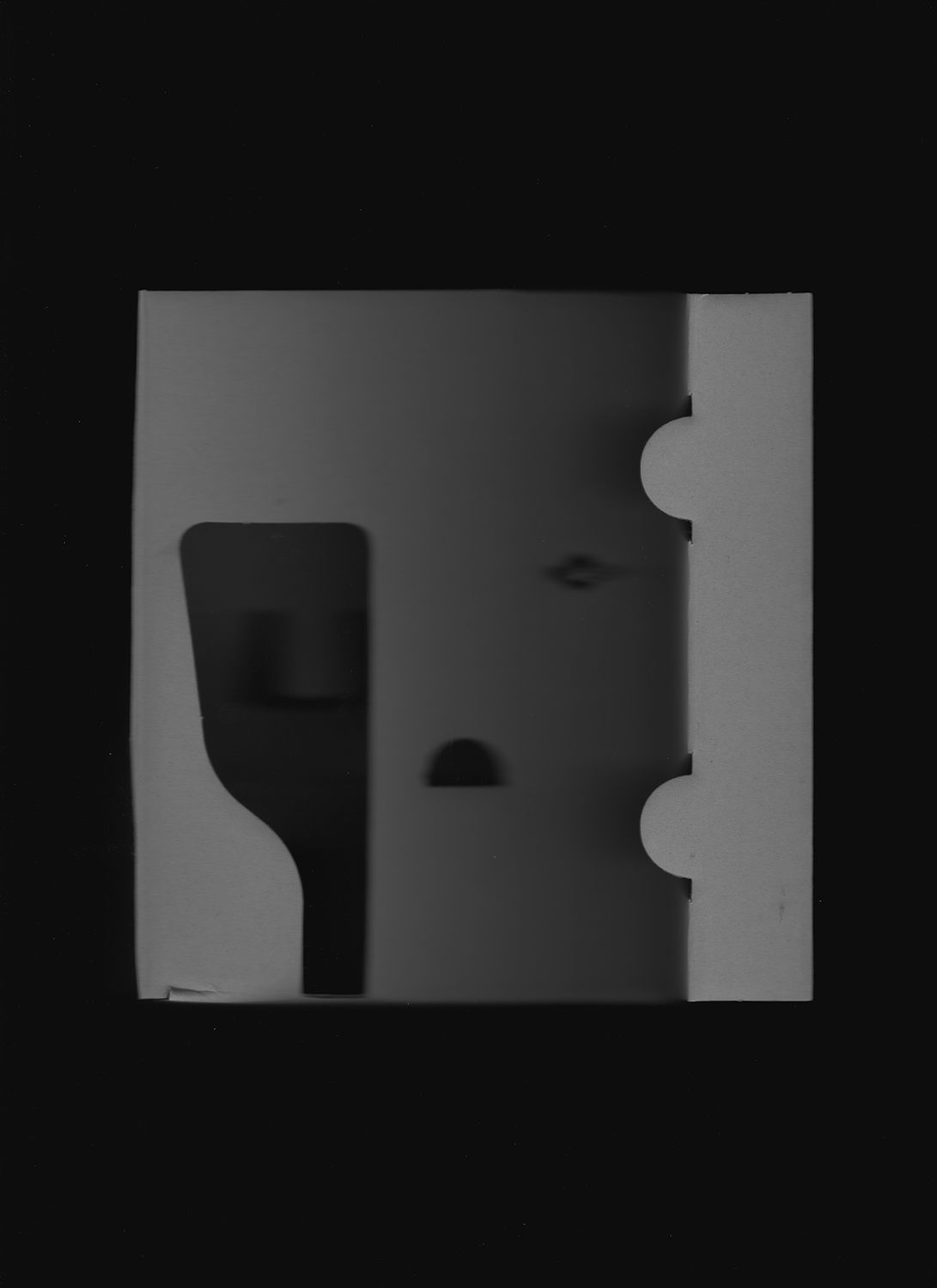
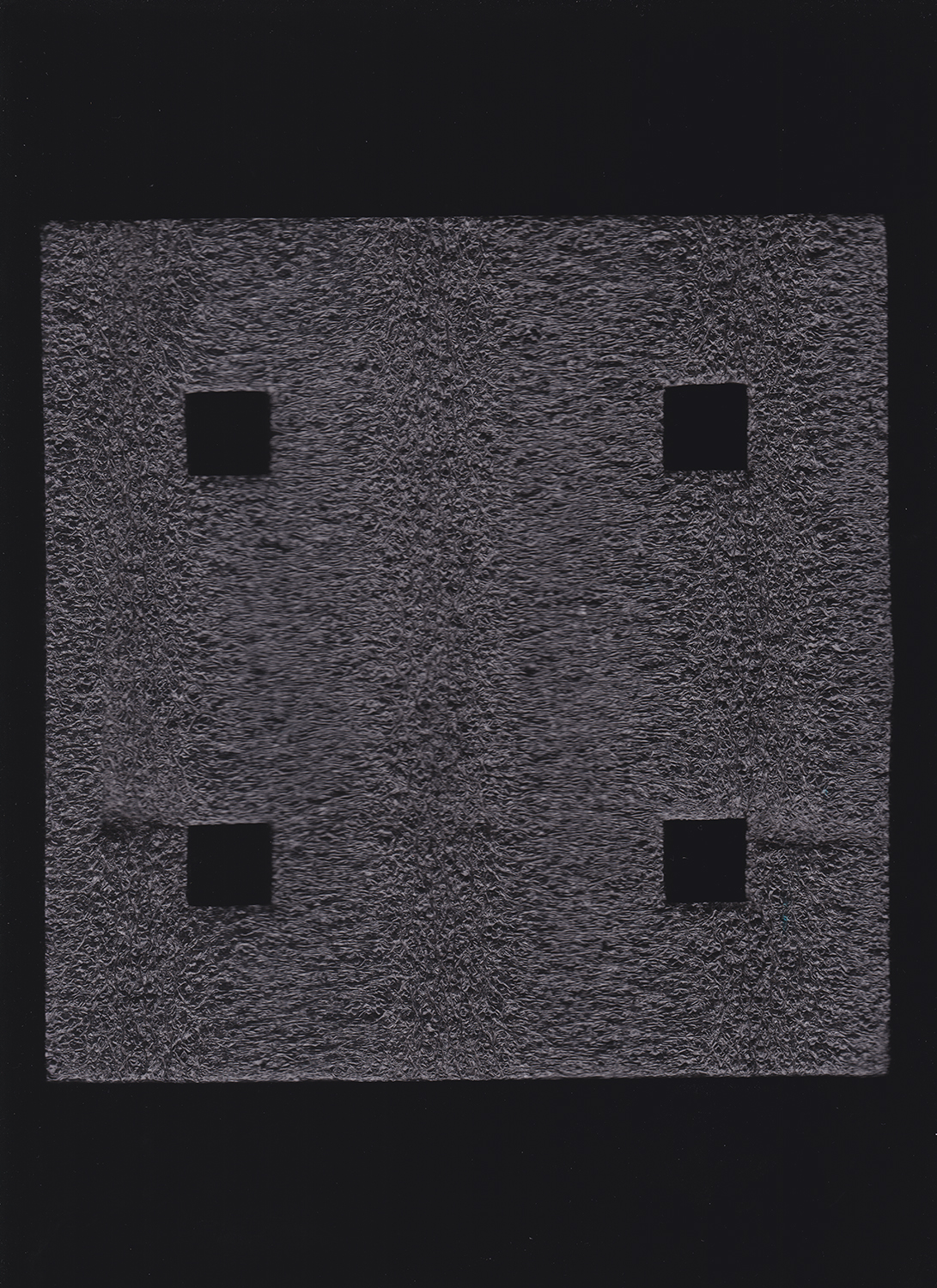
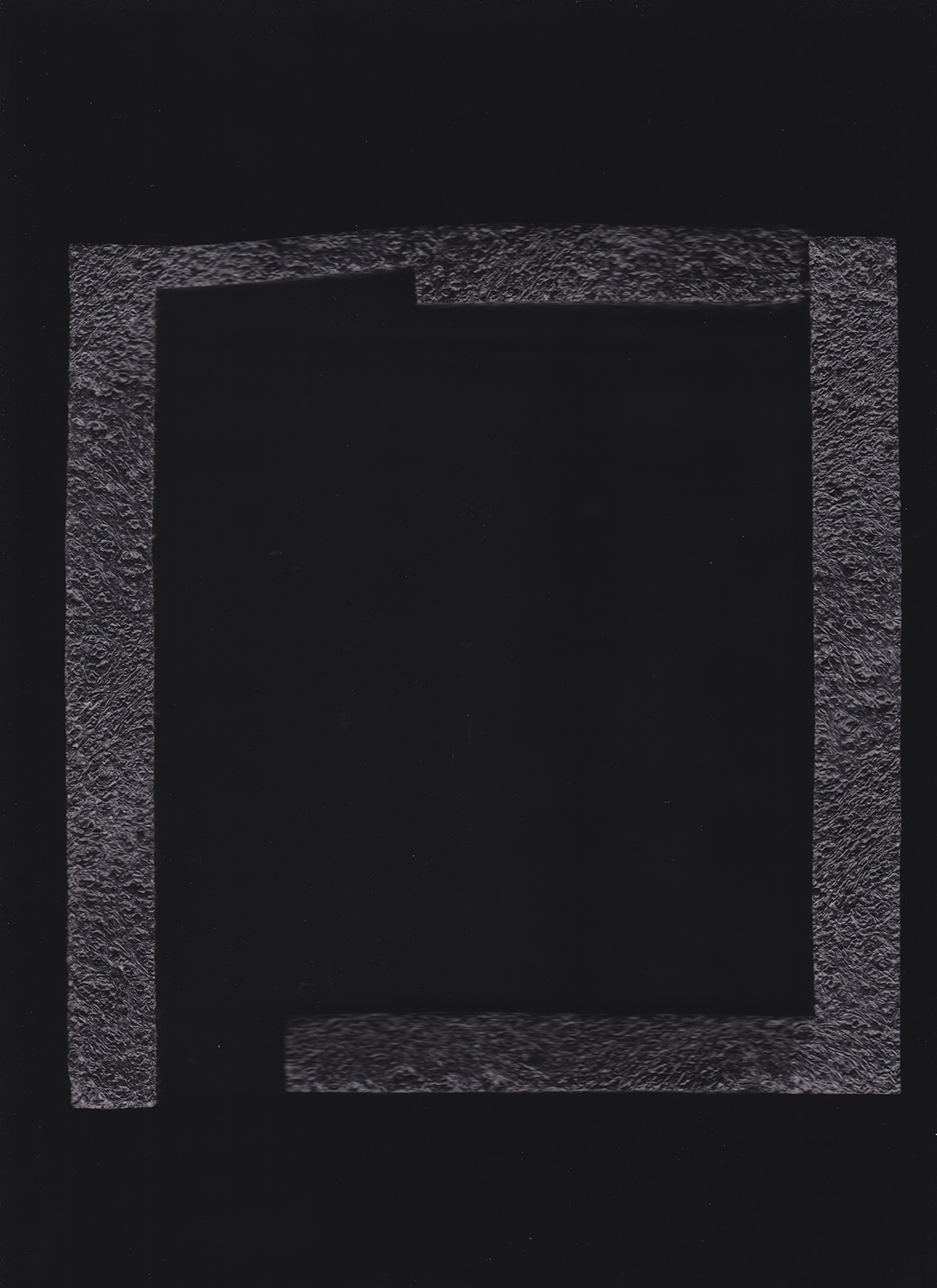
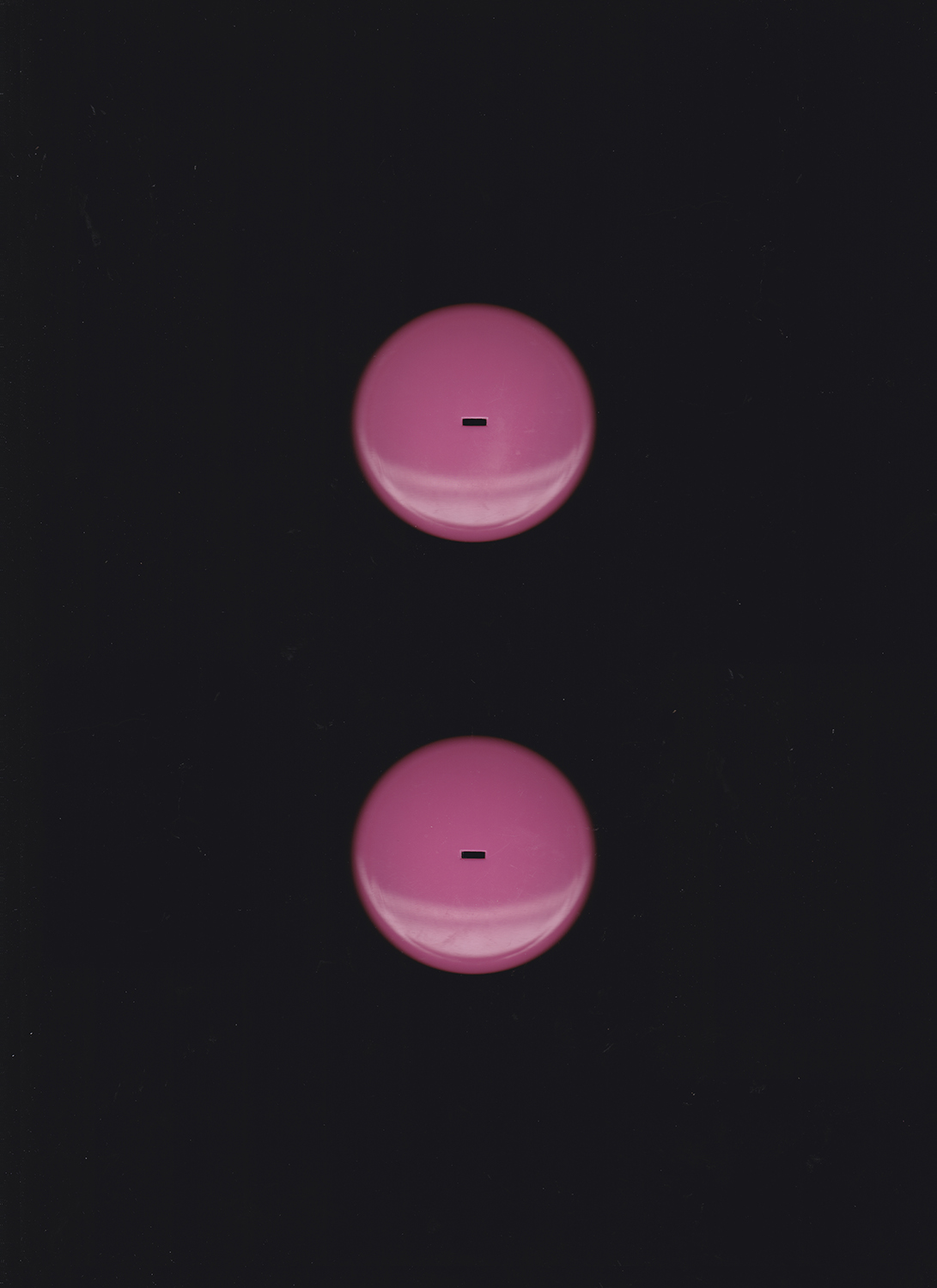
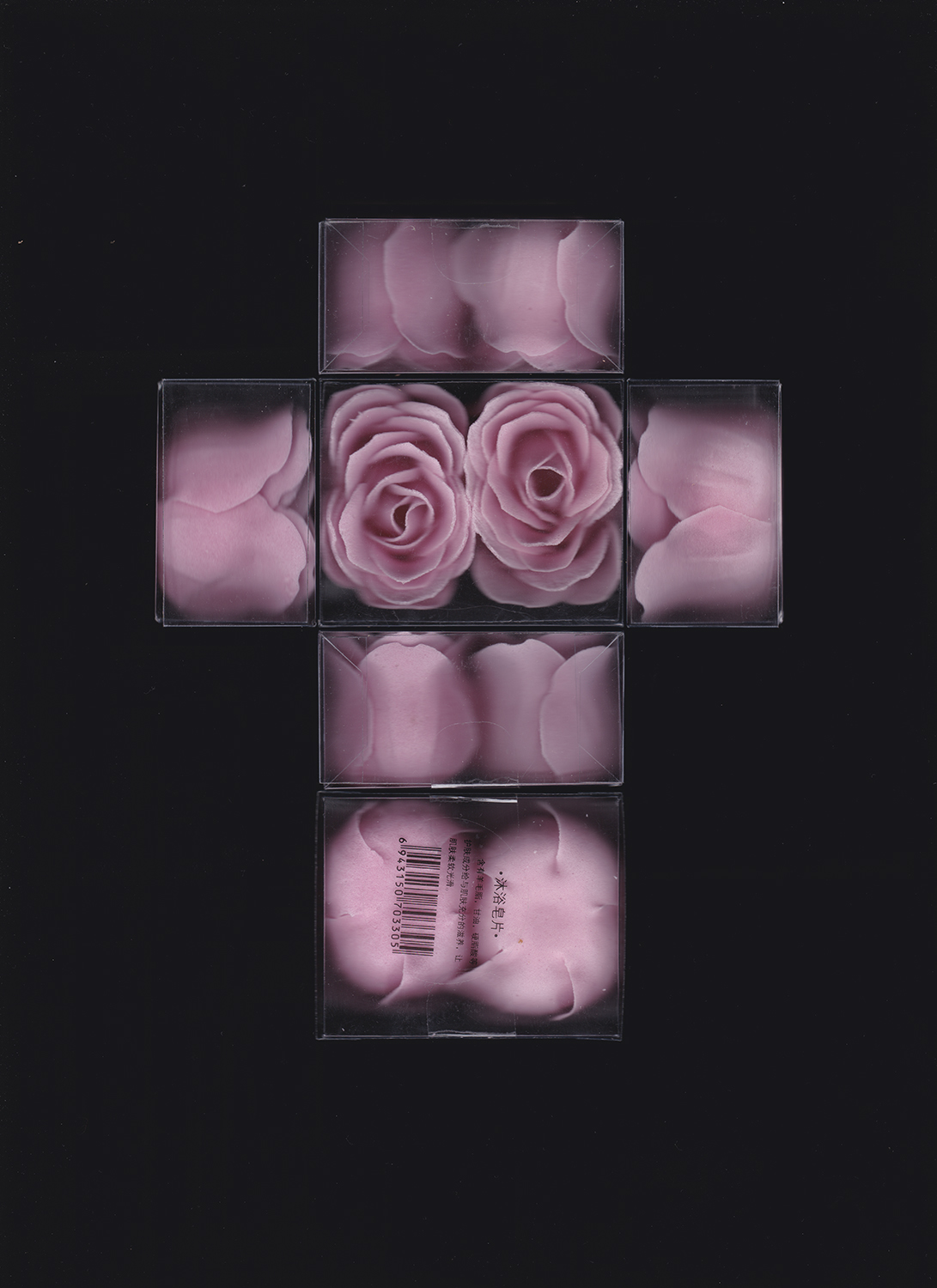
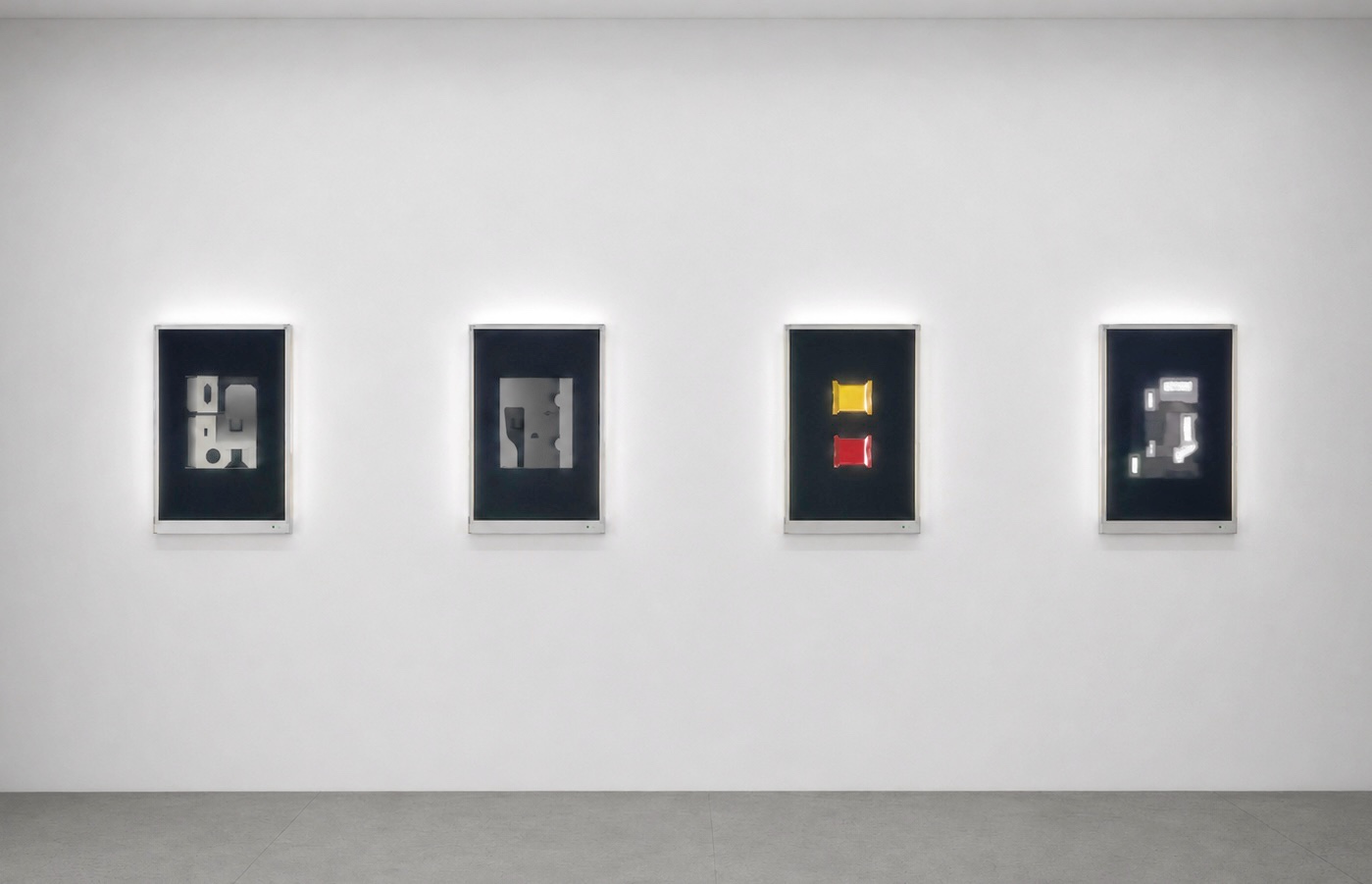
Industrial Redundance 关注的是那些存在于生产与消费链条之间,却从未真正进入社会注意力范围的对象。它们既不是用于辨识商品身份的外包装,也不是商品本身,而是介于两者之间的中间结构:用于存储、固定、支撑、保护与运输的临时性物件。这些对象参与了商品流通的全过程,却始终处于观看之外。当商品被取出后,它们立即失去作用,并迅速滑向废弃物的状态。在大规模生产与消费的体系中,它们像是不断从意义网络中漏出的残余物,既无身份,也无历史,甚至来不及被赋名。
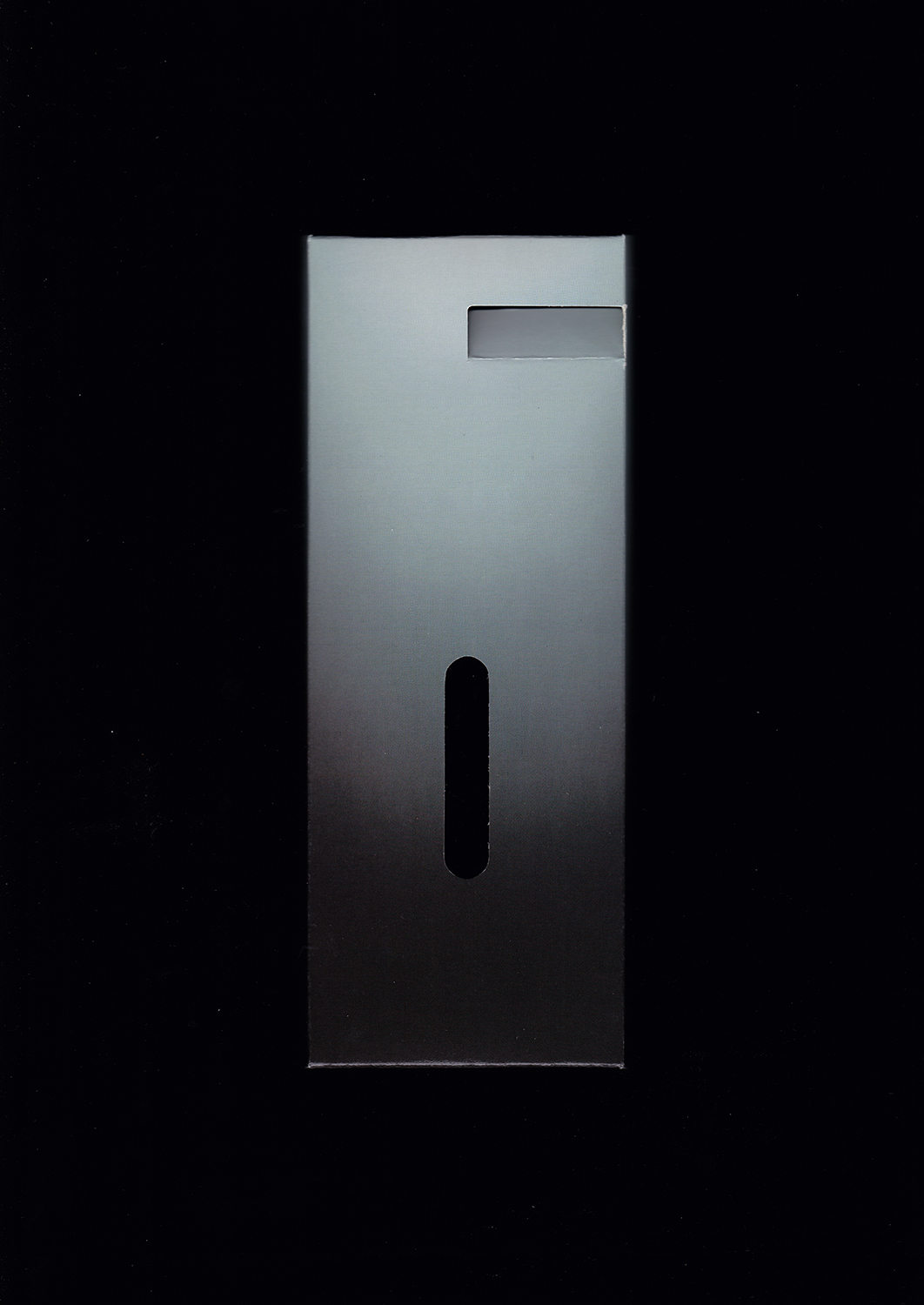
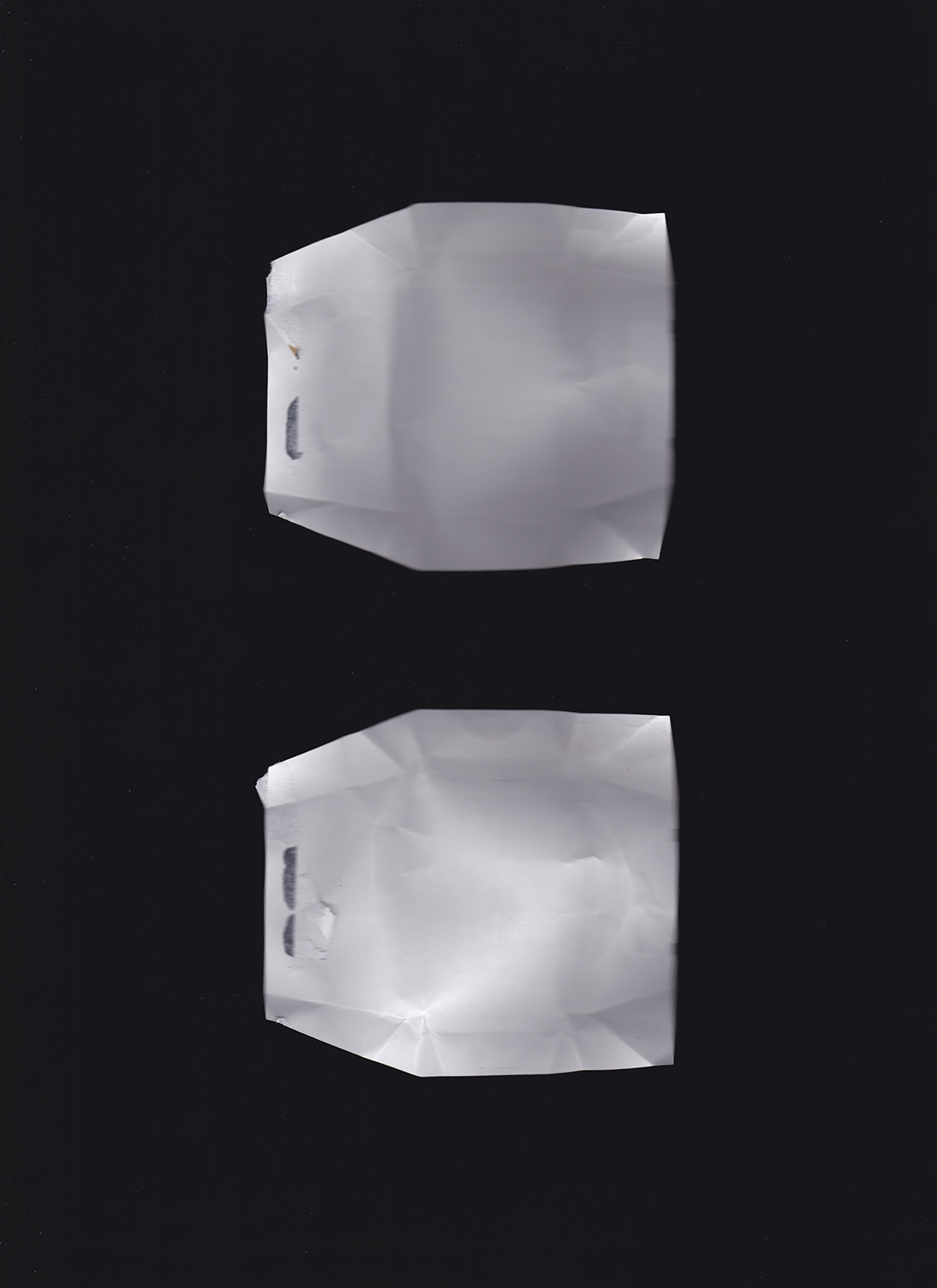
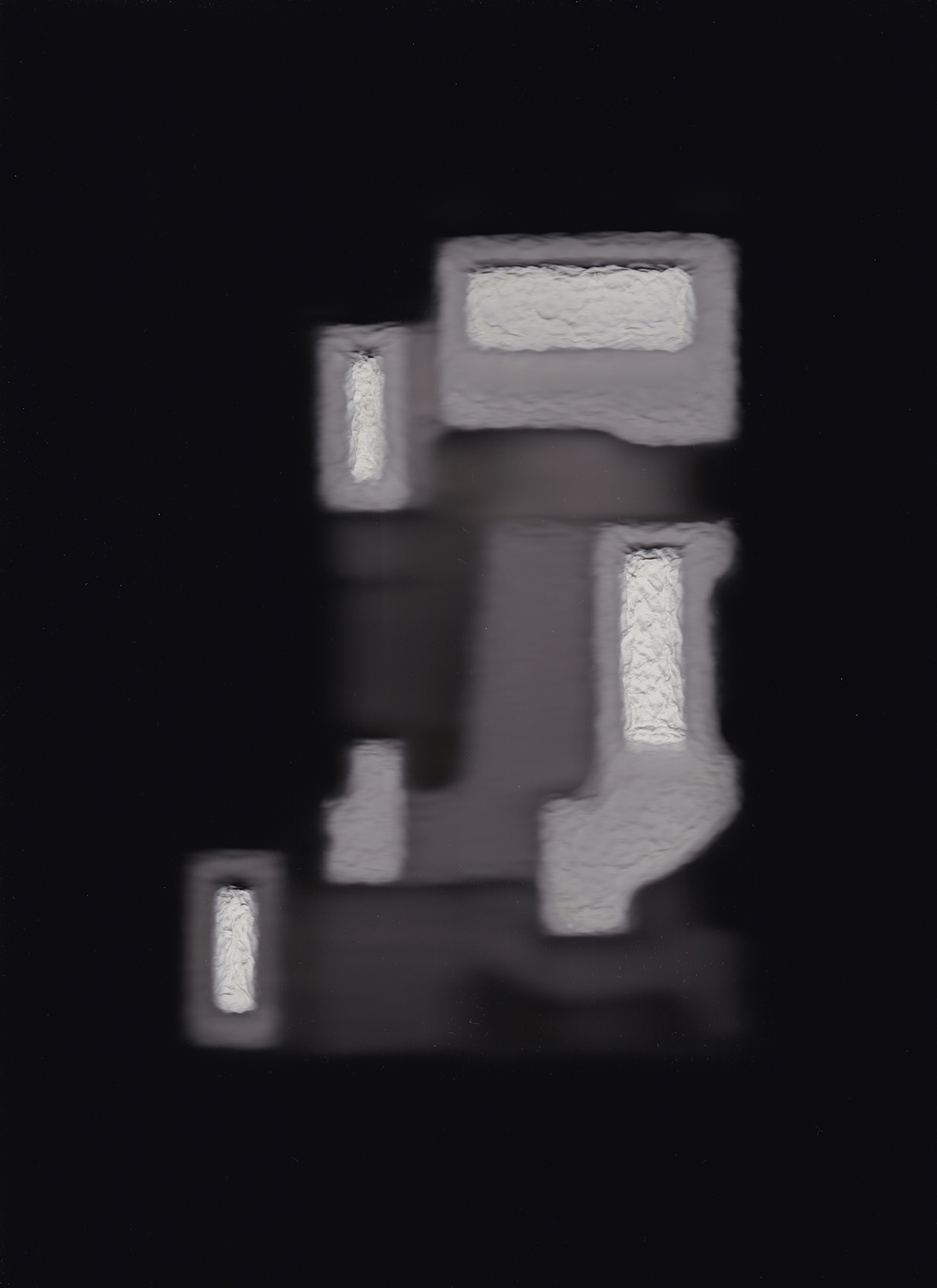
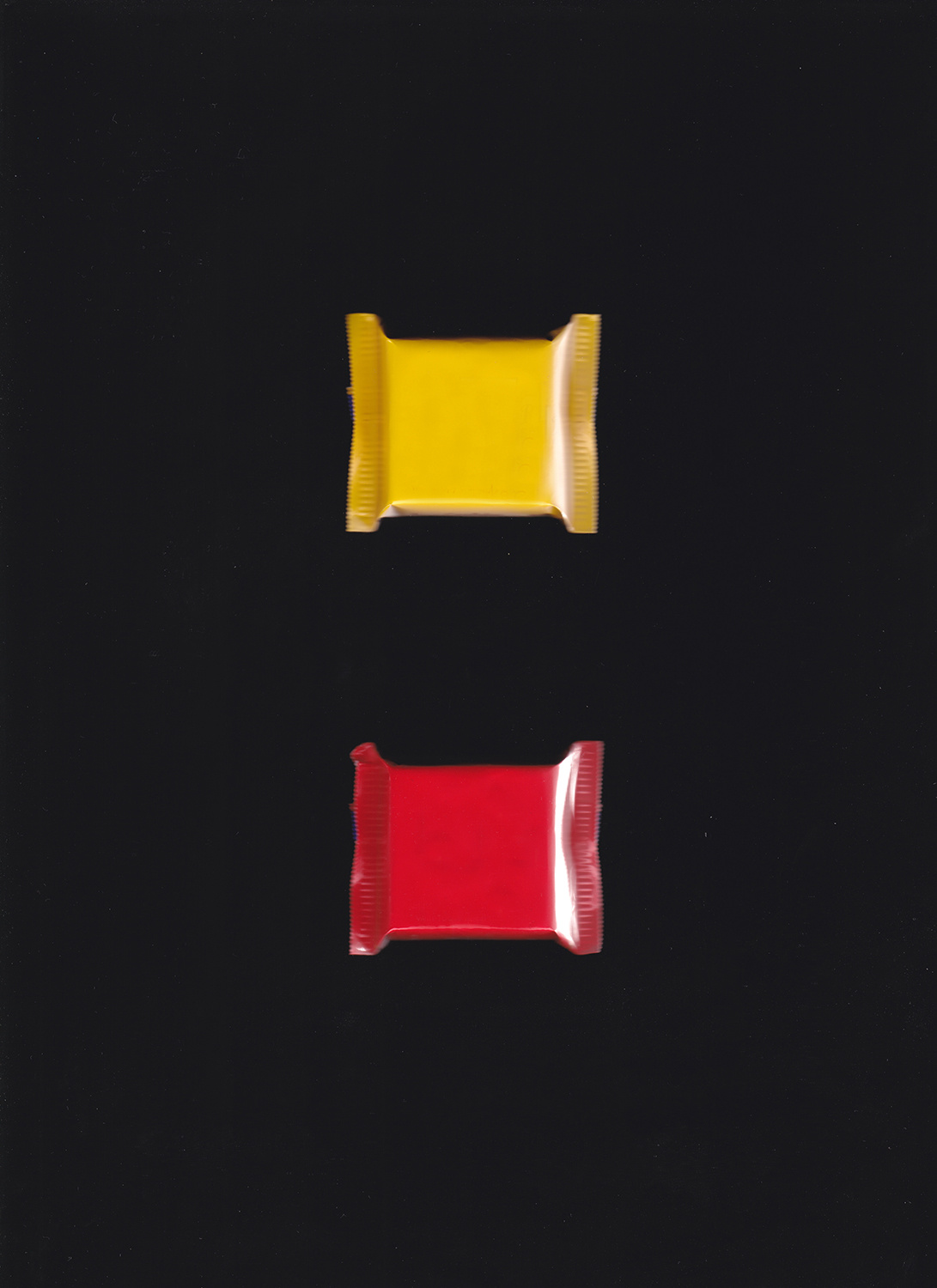
与传统摄影不同,扫描仪并不模拟人类视觉。它不提供透视、焦距、景深或视角等主观选择,而是以固定光源和逐行读取的方式接触对象表面。对象不再被观看,而是被读取。在这样的观看条件下,这些原本透明的功能性物件获得了一种陌生的自主性。它们脱离了生产、消费与废弃的循环,也暂时中止了观众的识别冲动。形式不再服务于功能,意义也不再来自既定语境。剩下的是色彩、比例、孔洞、边缘与空间关系所构成的纯粹感知经验。
Industrial Redundance focuses on objects that exist between the chains of production and consumption, yet never truly enter the field of social attention. They are neither the outer packaging that identifies the commodity, nor the commodity itself, but intermediate structures between the two: temporary objects used for storage, fixation, support, protection, and transportation. These objects participate in the entire circulation of commodities, yet remain outside the act of looking. Once the commodity is removed, they immediately lose their function and quickly slide into the condition of waste. Within the system of mass production and consumption, they appear as residual things continually leaking out of the network of meaning: without identity, without history, and without even enough time to be named.
Unlike traditional photography, the scanner does not simulate human vision. It does not offer subjective choices such as perspective, focal length, depth of field, or angle of view, but instead contacts the surface of the object through a fixed light source and a line-by-line reading process. The object is no longer looked at, but read. Under these conditions of viewing, these formerly transparent functional objects acquire a strange autonomy. They are detached from the cycle of production, consumption, and disposal, while also temporarily suspending the viewer’s impulse to identify them. Form no longer serves function, and meaning no longer derives from a predetermined context. What remains is a pure perceptual experience composed of color, proportion, holes, edges, and spatial relations.